



On World Book Day: BioX
On World Book Day, we are reminded that reading is not just an immersion into unknown worlds, but the foundation of lifelong learning and critical thinking. We recognize that the knowledge recorded in scientific publications and technical reports is what drives innovation. It is precisely through our BioX Reading Club meetings that we strive to achieve this.
From Theory to Industrial Practice: ASEF BioX with JAFRAL
In February, we hosted researchers Katarina Čubej and Evgen Kozole from JAFRAL at the Ljubljana Technology Park. As experts in the field of GMP product development, they opened the doors to the world of CDMOs (Contract Development and Manufacturing Organizations).
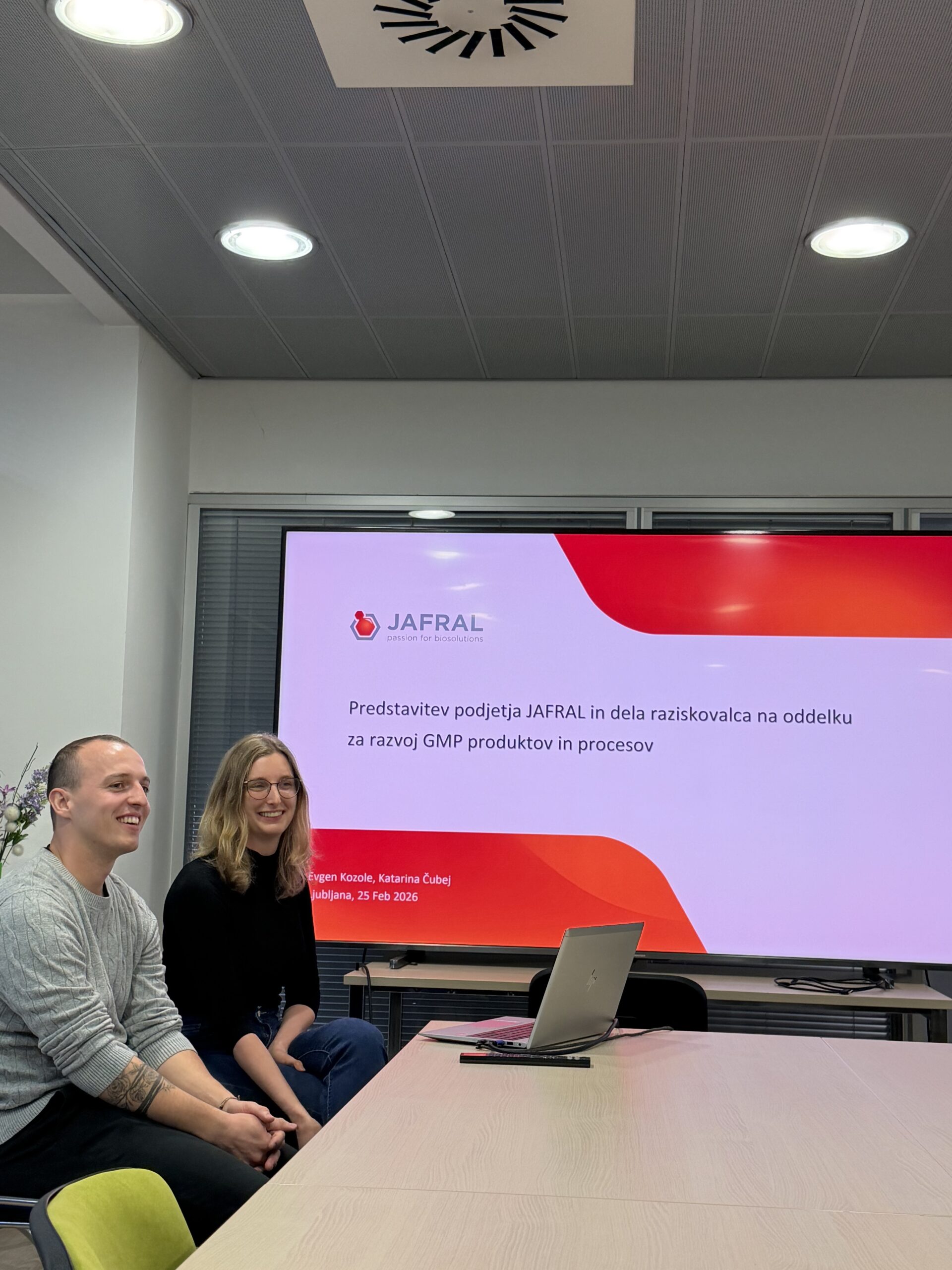
JAFRAL focuses on the development and production of advanced biological medicines, such as:
- pDNA and mRNA (key building blocks of modern therapies),
- Bacteriophages, where the company is a pioneer in human and veterinary therapy,
- LBPs (Live Biotherapeutic Products) and outer membrane vesicles.
The lecturers emphasized the critical role of analytics and GMP processes. The development of a biological drug is not just a laboratory success, but a strictly regulated process that ensures the safety and efficacy of every molecule. The subsequent discussion highlighted career paths in the industry and the future accessibility of these advanced therapies on the market.
How Macrophage Metabolism Influences Cancer Development
March was dedicated to in-depth reading. Maša Karčovnik, a 2025 ASEF Fellow, presented a high-impact scientific article on the influence of glucose metabolism on tumor metastasis.
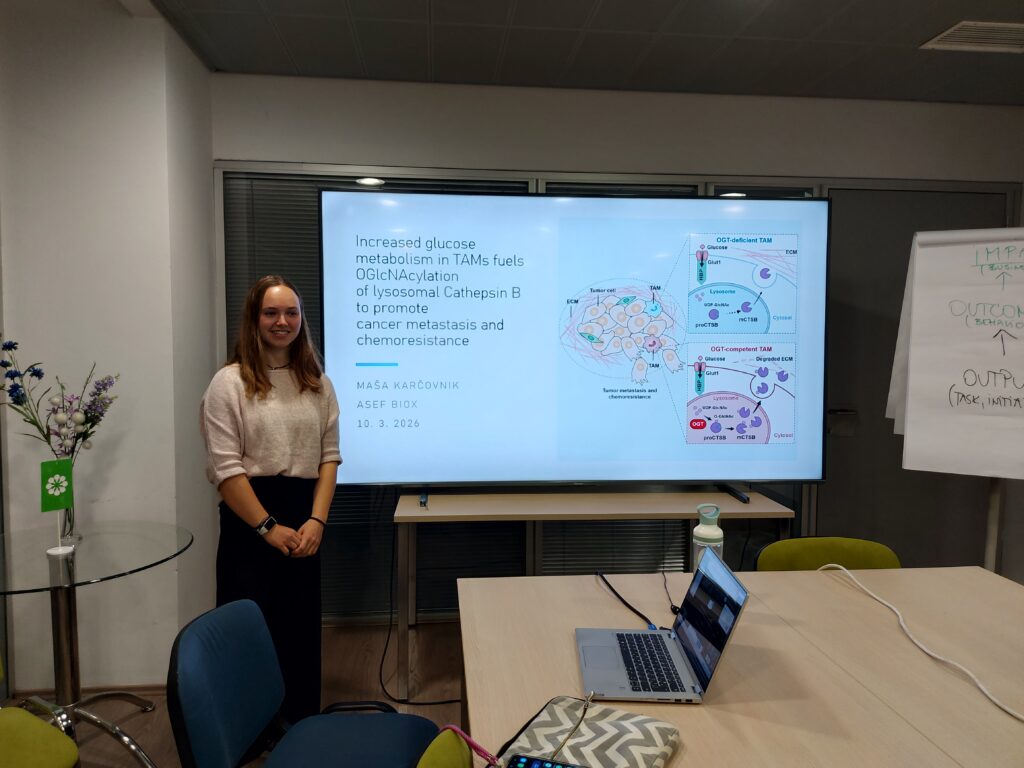
Research Focus: Macrophages and the Cathepsin B Enzyme The discussion revolved around complex processes within the tumor microenvironment:
- Metabolic Stress: The inflammatory environment of the tumor alters the metabolism of tumor-associated macrophages (TAMs).
- Post-translational Modifications: Increased glucose metabolism leads to the O-GlcNAcylation of the enzyme cathepsin B.
- Metastasis: This modification stabilizes cathepsin B, which then accelerates the degradation of the extracellular matrix, allowing the cancer to spread and develop greater resistance to chemotherapy.
By monitoring the expression levels of cathepsins and their post-translational modifications, we can predict chemotherapy response and disease prognosis. Enzymes involved in the hexosamine biosynthetic pathway, through which these modifications are added, represent potential therapeutic targets in the fight against cancer cell resistance.
Knowledge Multiplies When Shared
World Book Day reminds us that conversations like these – about published studies and practical experiences – are what build a strong academic community. Therefore: read, reflect, and pass the knowledge on!