News & Events
Dogodki
Speaker Series
Poročilo
Virtualno

Na zadnjem letošnjem predavanju ASEF Speaker Series smo odgovarjali na vprašanje ‘Ali je pravica moška ali ženska?’

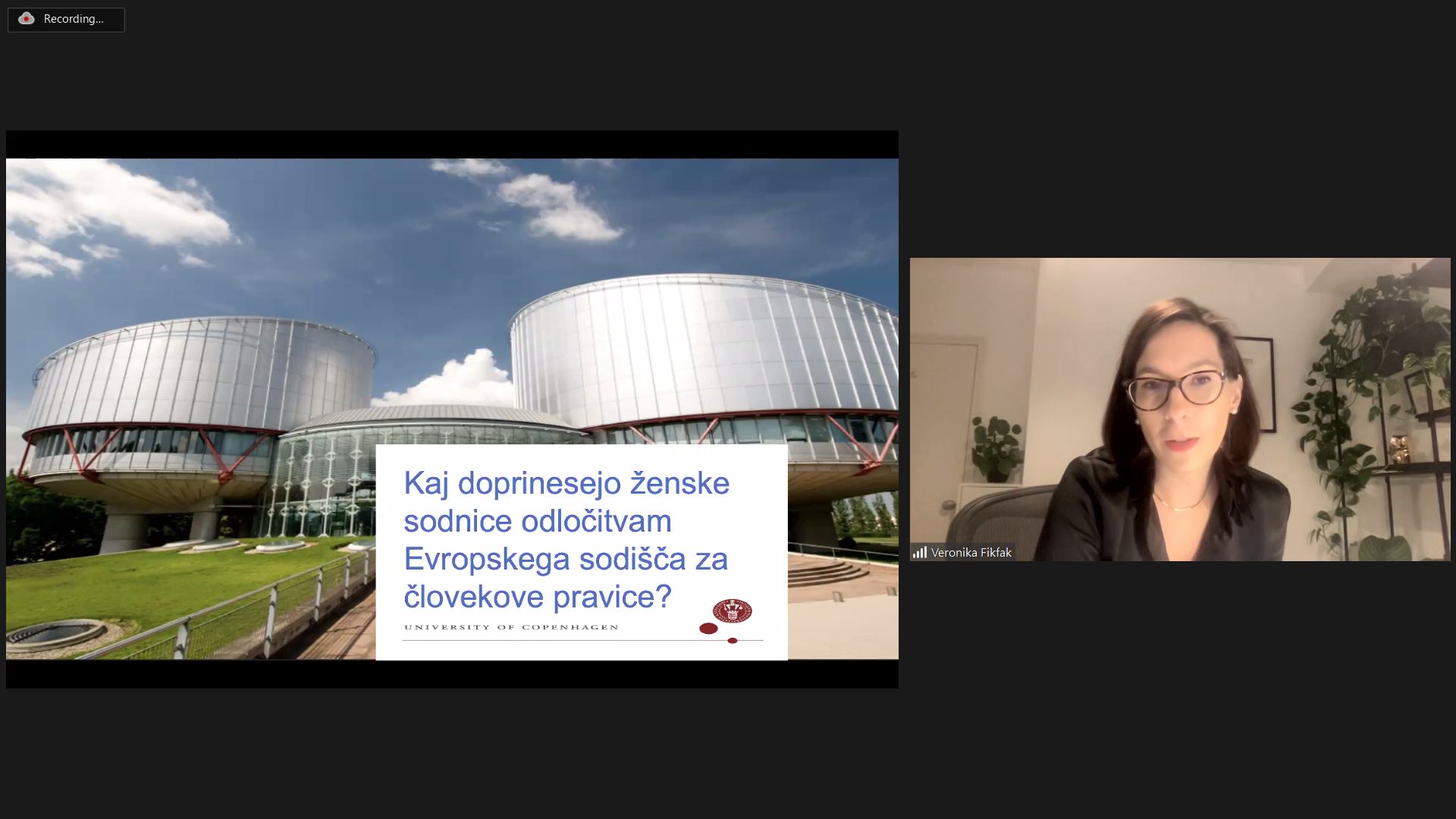
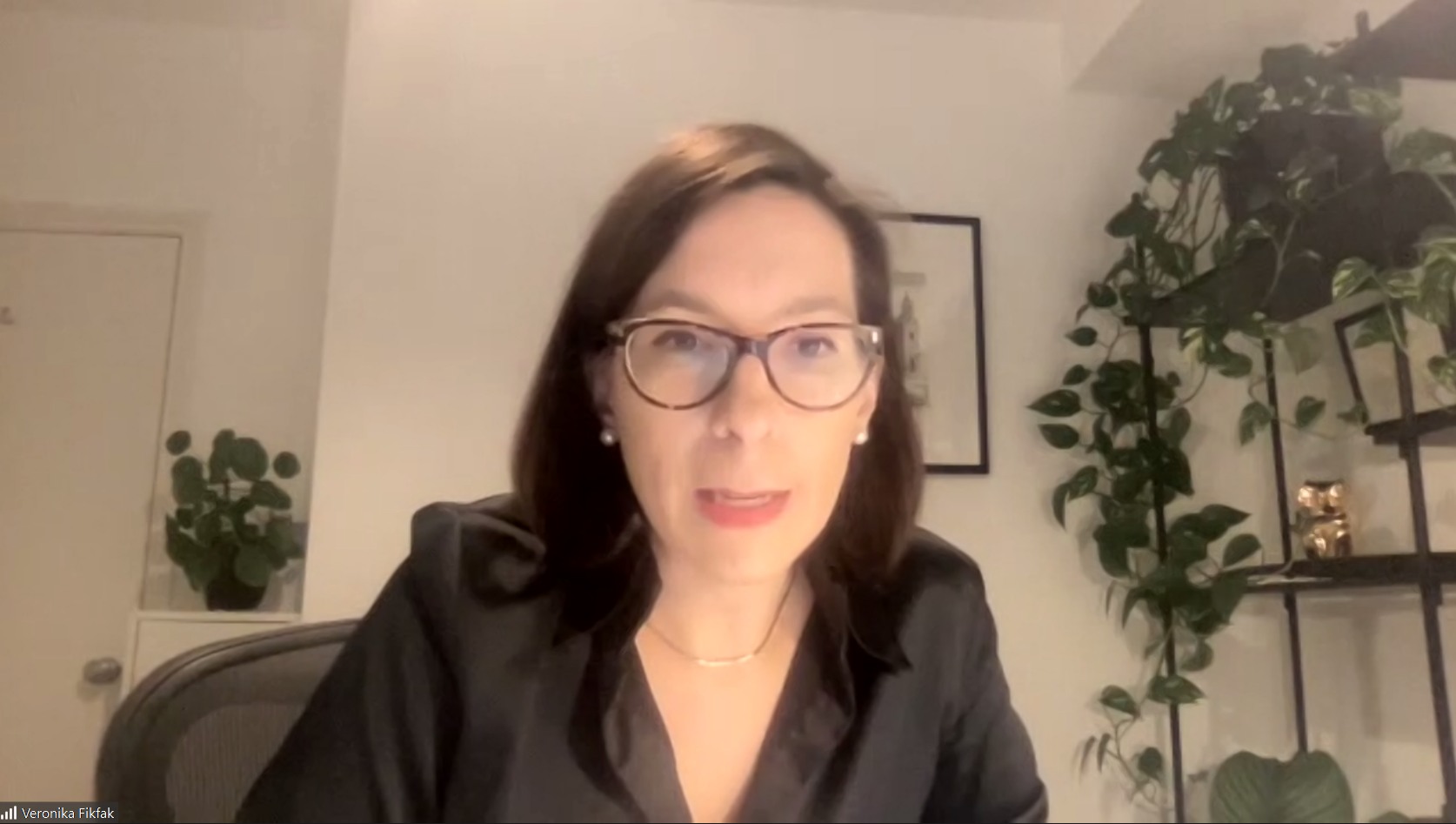
Na zadnjem letošnjem predavanju ASEF Speaker Series je ASEF gostil dr. Veroniko Fikfak, izredno profesorico za mednarodno pravo na Centru odličnosti iCourts na Univerzi v Kopenhagenu, kjer vodi ERC projekt Spodbujanje k uresničevanju človekovih pravic. Dr. Fikfak je v izhodišče predavanja postavila vprašanje, ali je pravica ženska ali moški.

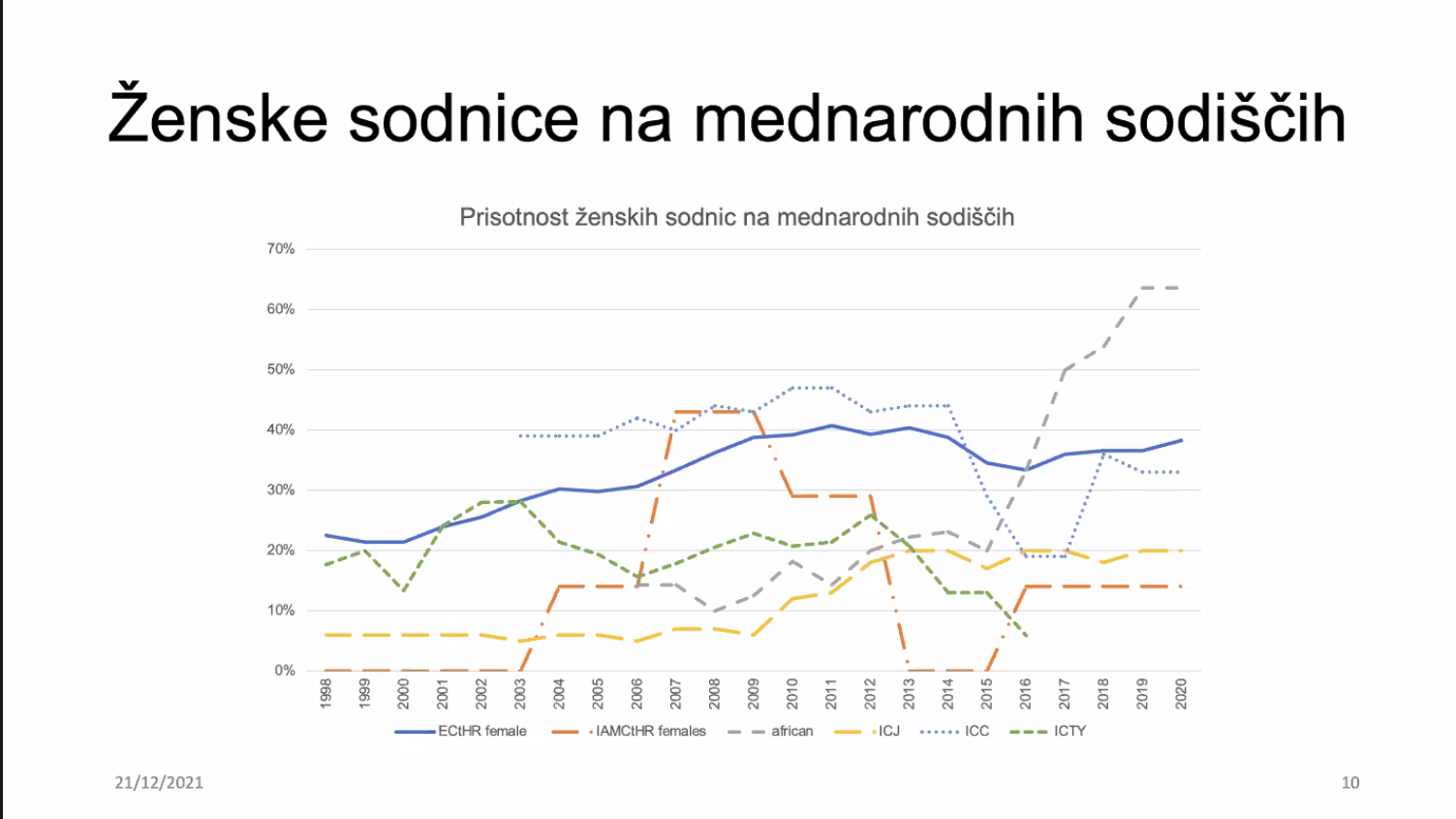
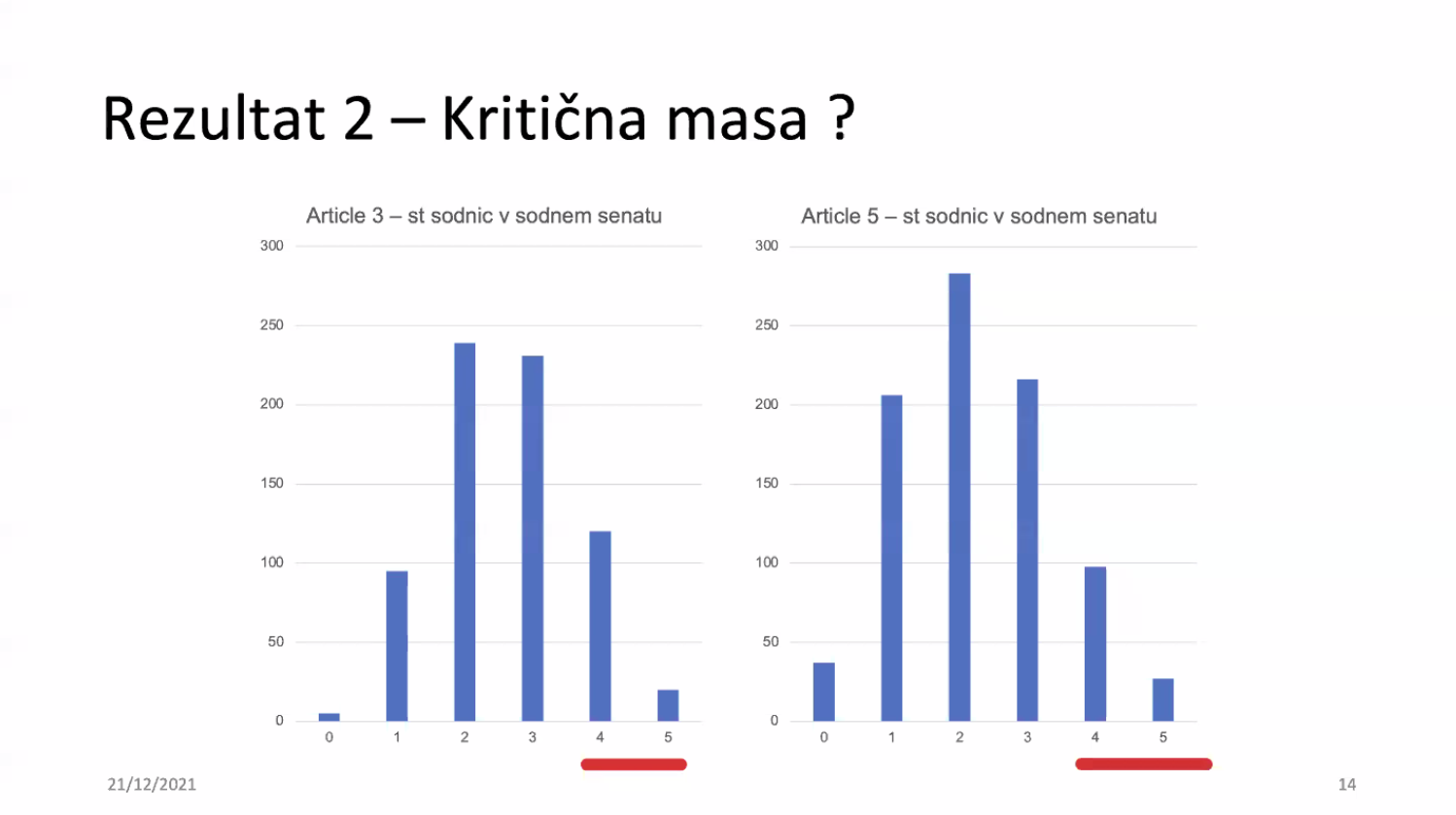
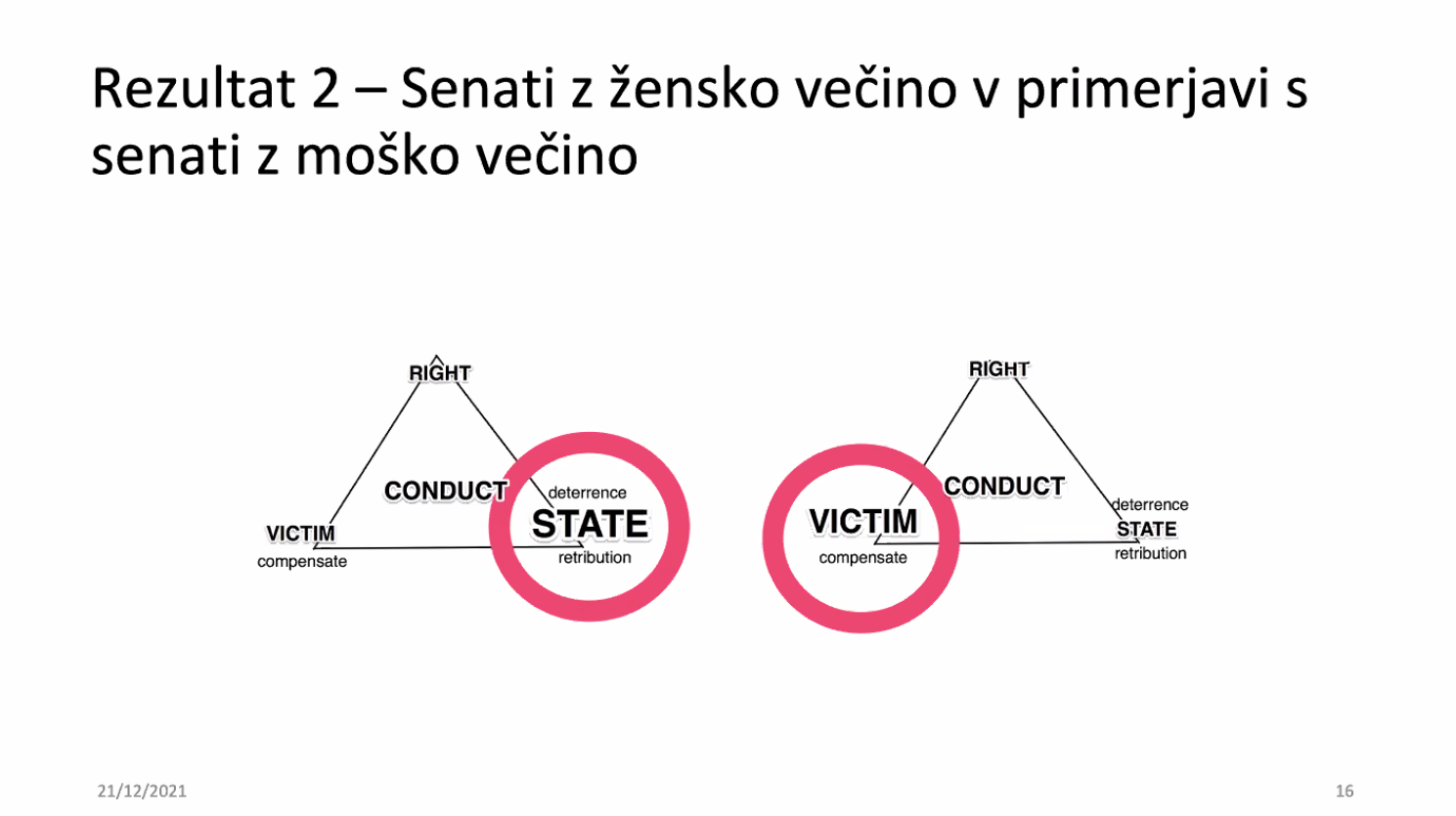
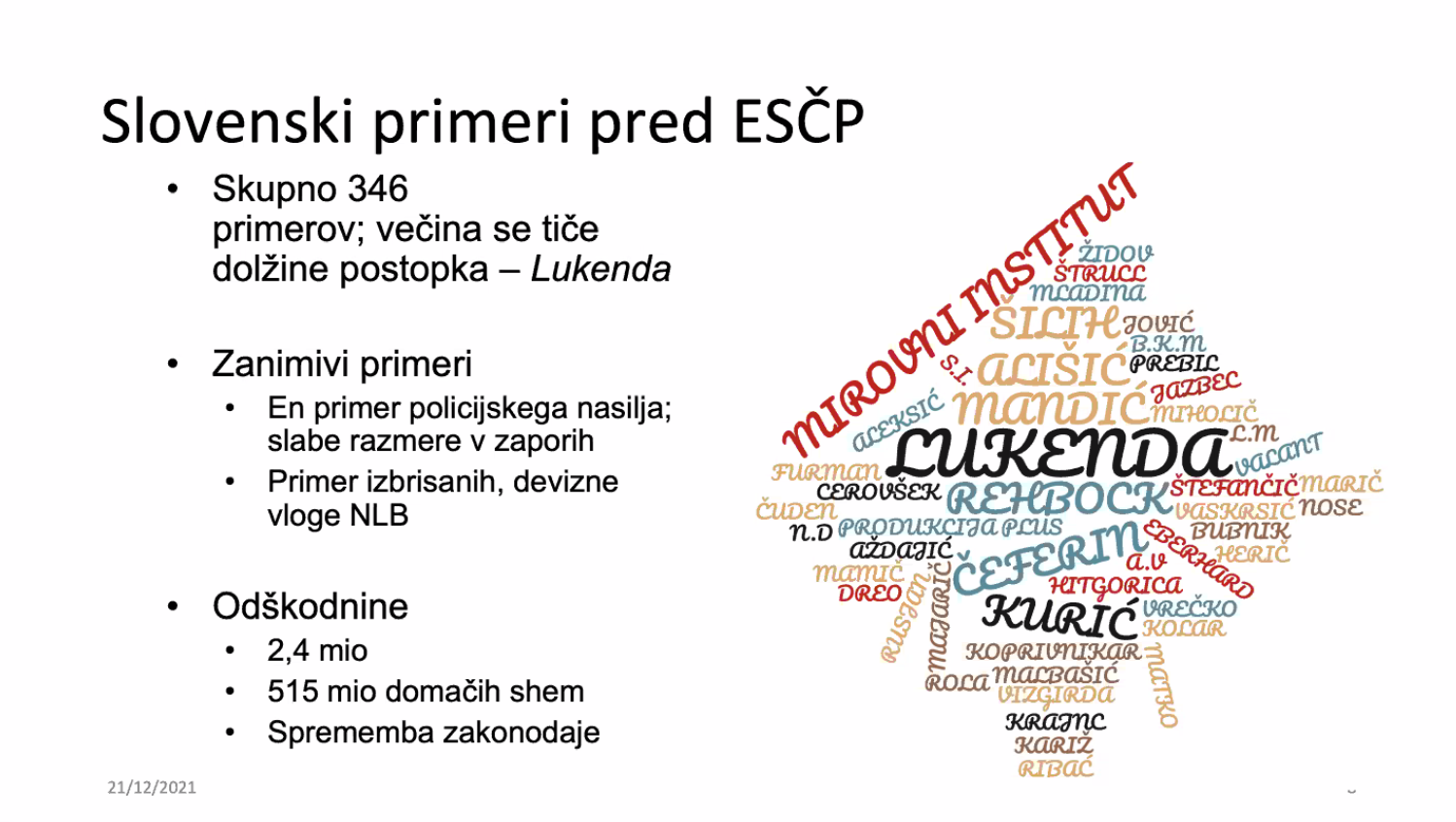
Med predavanjem je dr. Fikfak provokativno vprašanje konkretizirala in razložila, da se v raziskovanju ukvarja s tem, kaj lahko doprinesejo ženske sodnice odločitvam Evropskega sodišča za človekove pravice. Kar je predavateljica s svojo raziskovalno ekipo ugotovila iz podatkovne baze okoli 10 000 primerov, je to, da ženske sodnice v ospredje pri odločanju o odškodnini postavijo žrtev. Rezultati raziskave potrjujejo dejstvo, da sestava senata vpliva na to, kakšno je pravo in kako visoke so odškodnine.

V evropskem prostoru se trenutno govori o avtomatizaciji področja. Zaradi premajhnega števila zaposlenih se namreč želi uvesti algoritme, ki bi odločali o kršenju človekovih pravic. To pomeni, da bi algoritmi delovali na osnovi trenutne jurisprudence, kjer so odločali večinoma moški senati. Dr. Fikfak skozi študijo ugotavlja, da mora pri odškodninskih postopkih priti do situacije, kjer sta prisotna oba glasova, torej tako moški kot ženski.

Dogodek je povezoval ASEF Junior Fellow Tine Šteger.
News & Events
Dogodki
Events
Speaker Series
Poročilo
Virtualno
ASEF Speaker Series
Reports
Online Events

At This Year’s Last ASEF Speaker Series Lecture, We Answered the Question ‘Is Justice a Man Or a Woman?’

December 21, 2021 | 7:00 pm | Online

At this year’s last ASEF Speaker Series lecture, ASEF hosted dr. Veronika Fikfak, Associate Professor of International Law at the iCourts Center of Excellence at the University of Copenhagen, where she leads the ERC project Promoting Human Rights. Dr. Fikfak raised the question of whether the right is a woman or a man at the starting point of the lecture.

During the lecture, dr. Fikfak concretized the provocative question and explained that the research deals with what women judges can contribute to the decisions of the European Court of Human Rights. What the lecturer and her research team found in the database of around 10,000 cases is that female judges put the victim at the forefront of deciding on compensation. The results of the research confirm the fact that the composition of the senate influences what the law is and how high the damages are.

In Europe, there is currently talk of automating the field. Due to the insufficient number of employees, it wants to introduce algorithms that would decide on human rights violations. This means that the algorithms would operate on the basis of current jurisprudence, where decisions were made mostly by male senates. Dr. Throughout the study, Fikfak finds that in compensation proceedings, there must be a situation where both voices are present, ie both men and women.

The event was hosted by ASEF Junior Fellow Tine Šteger.