


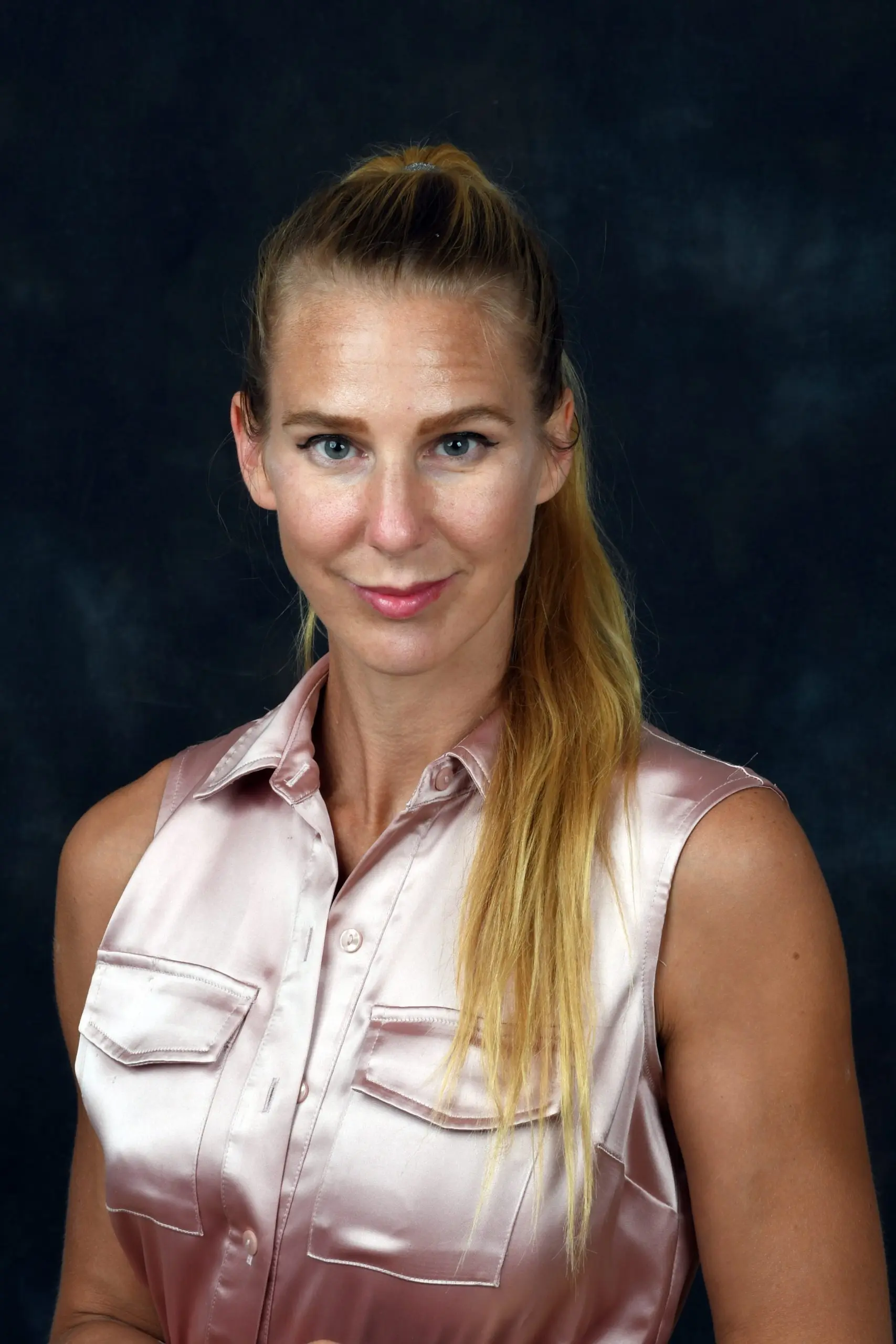
Polona Šafarič Tepeš
Bio:
ASEF mentor 2027. Application for Research Abroad is availabe here.
Dr. Polona Šafarič Tepeš is an Assistant Professor at the Donald and Barbara Zucker School of Medicine at Hofstra/Northwell and leads translational research in women’s health at the Feinstein Institutes for Medical Research. Her work is organized in 2 arms: endometriosis, which she has led at Northwell, and, most recently, perimenopause and the hormonal changes that define it. She works closely with endometriosis surgeons and OB/GYNs in the US and Europe, which keeps her laboratory questions tied to what patients and clinicians need.
She earned her PhD at the University of Ljubljana after 7 years of doctoral research at Cold Spring Harbor Laboratory, where she studied how nuclear receptor coactivators, the machinery hormone receptors depend on, drive disease.
She is a co-founder of the International Perimenopause Alliance, which works to establish perimenopause as a critical window for protecting women’s cardiovascular and long-term health. She serves on the research committee of Northwell’s Katz Institute for Women’s Health and as R&D Officer for the Women’s Health Forum of RASIT, an organization with consultative status at the United Nations, where since 2020 she has organized 6 International Day of Women and Girls in Science Assemblies.
Research projects:
Arm 1: Endometriosis biology. This arm asks why endometrial cells behave abnormally in endometriosis. Central questions are how decidualization, the process that prepares the uterine lining for pregnancy, is altered in endometriosis, and how ferroptosis resistance, mitochondrial metabolism, cellular senescence and DNA methylation shape the behavior of endometrial stromal cells. Earlier work tested flavonoids for their effects on stromal cell differentiation, survival and migration through AKT, ERK and p53 signaling.
The team works mainly with 2D and 3D primary cultures of endometrial stromal cells obtained noninvasively from the menstrual effluent of patients and controls, complemented by endometrial biopsies. Methods include metabolomics, phospholipidomics, single-cell and bulk RNA sequencing, DNA methylation profiling, CRISPR-Cas9 gene editing, metabolic assays and live-cell imaging.
Arm 2: Perimenopause and hormone biology. This newer arm asks how the hormonal transition of perimenopause can be measured more closely and more often than a single blood draw allows. The team is designing paired studies that compare steroid hormones in sweat, saliva and menstrual effluent against blood in regularly cycling, perimenopausal and menopausal women.
Possible student projects, agreed individually with the mentors, include endometrial cell culture and decidualization assays, analysis of sequencing and methylation data, metabolic and cell death assays, and hormone measurement in alternative biological samples. Students are co-mentored with Dr. Anže Urh, a gynecologic oncology surgeon at Northwell, which gives them exposure to the clinical side of women’s health research.