


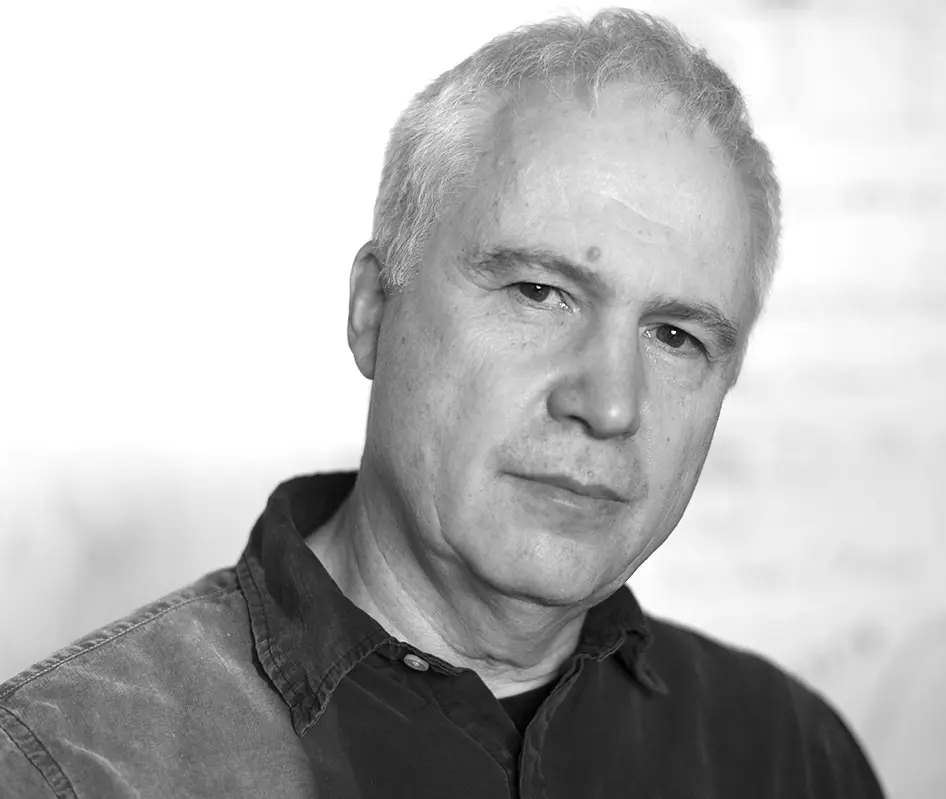
David Križaj
Bio:
David Križaj is the Ralph and Mary Tuck Presidential Endowed Chair at the University of Utah School of Medicine, currently also serving as the Director of the NIH-funded Vision Research Training Program at the University of Utah. He completed graduate training at the New York University School of Medicine and postdoctoral fellowship in retinal neurobiology at University of California San Francisco. He joined faculty at UCSF before moving to Salt Lake City in 2007 to investigate synaptic transmission and ocular mechanotransduction. The goal of his research is to define the molecular rules that govern intraocular pressure in the anterior eye and retinal neuronal-glial pressure sensing in order to develop new glaucoma treatments. The lab combines biophysics, cellular physiology and -omics approaches with studies in transgenic animals with tissue-ablated mechanosensitive channels, with translational projects that include collaborations with medicinal chemists and bioengineers to develop new high-affinity compounds that target mechanotransduction, microfluidics NAMs (new alternative models) for studies of trabecular meshwork-Schlemm’s canal interactions, and nanoliposomal slow release platforms aimed at glaucoma neuroprotection.
Research projects:
Professor Križaj’s laboratory is interested in ocular mechanosensing from the cornea to the optic nerve. Projects, funded by the NIH and private foundations include electrophysiological studies of mechanosensitive channels (Piezo1, TRPV4, TREK-1) as integrators of mechanical parameters (strain, matrix compliance, laminar/oscillatory shear stress and changes in cell volume) in dynamic control of intraocular pressure and how over/understimulation of these mechanisms leads to fibrosis and ocular hypertension. Parallel studies focus on the role of mechanosensation in visual signaling, neuroinflammation and glaucoma, with a strong focus on neuroprotective treatments. Collaborative projects include studies of corneal pain, myopia, proliferative vitreoretinopathy and macular degeneration.