


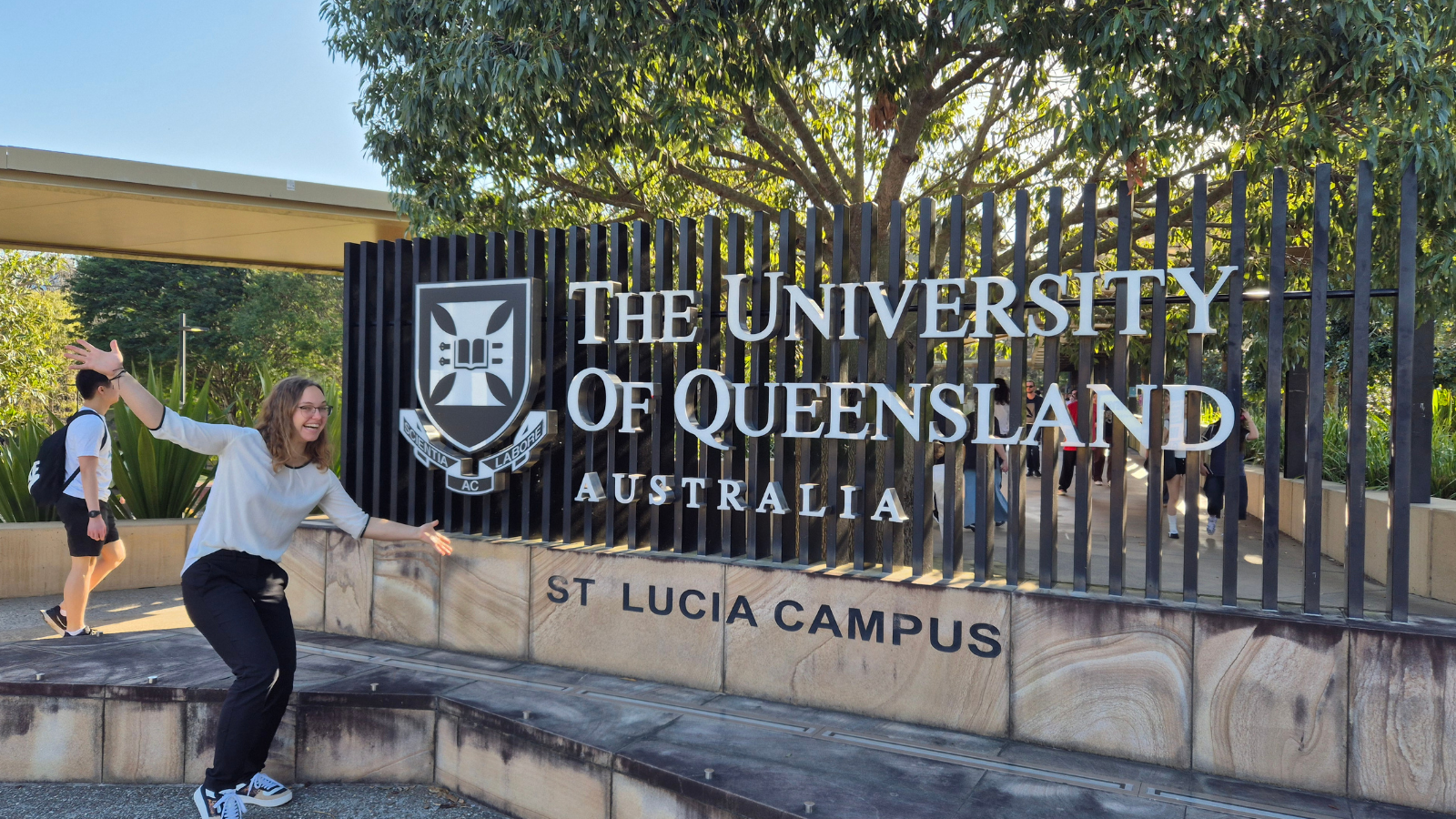
ASEF Junior Fellow 2025 Maša Karčovnik successfully finished her research visit at The University of Queensland in Australia
Maša Karčovnik, a master’s student in Biochemistry at the Faculty of Biochemistry and Chemical Technology at the University of Ljubljana, has successfully finished her research visit with Prof. Boštjan Kobe at The University of Queensland, School of Chemistry & Molecular Biosciences (Brisbane, Avstralia).
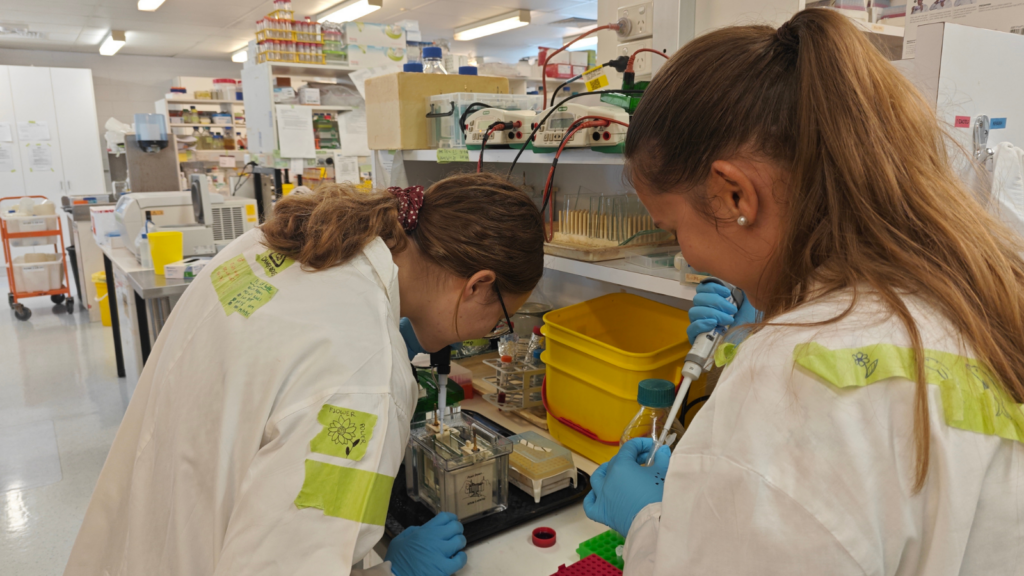
She participated in a project aimed at identifying the role of the BCAP protein, which is important for the regulation of the primary immune response upon activation through Toll-like receptors (TLR). She focused on the optimization of protein expression in bacteria and protein interaction identification using negative-stain electron microscopy.
As part of her research visit, she also attended the Australian Society for Biochemistry and Molecular Biology (ASBMB) conference, where she gained valuable knowledge on various topics in molecular and cellular biology, biochemistry, and chemistry through presentations by scientists from Australia, Asia, and America. The lectures and discussions provided her with broader insight into modern research approaches and current scientific advances.
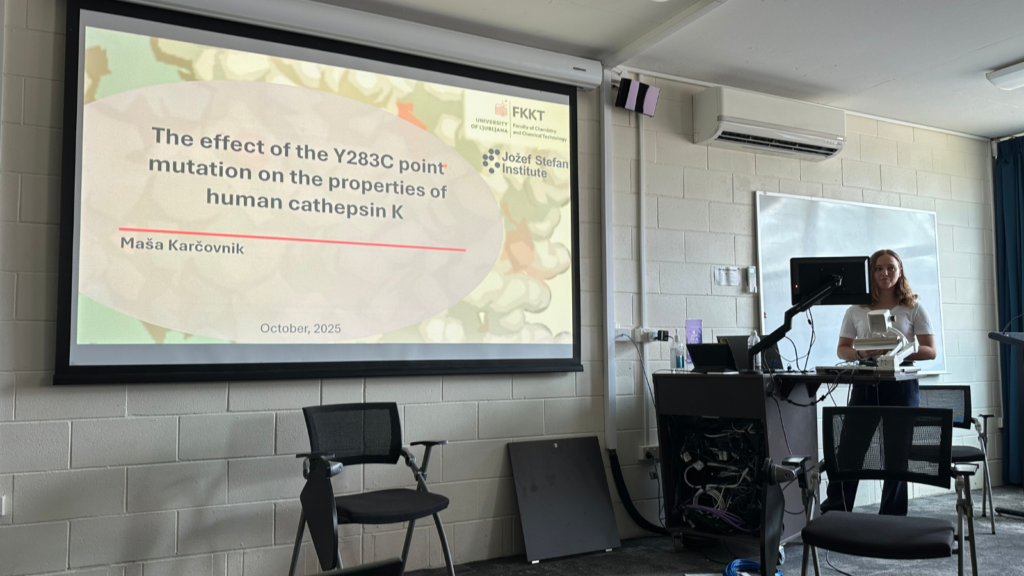
By participating in two student symposia: the School of Chemistry & Molecular Biosciences Research Students Symposium and the SCMB Structural Biology and Biochemistry Theme Retreat, she gained valuable experience in public speaking, scientific discussion, and defending her own views through presenting a poster and delivering a fifteen-minute oral presentation of her diploma thesis.
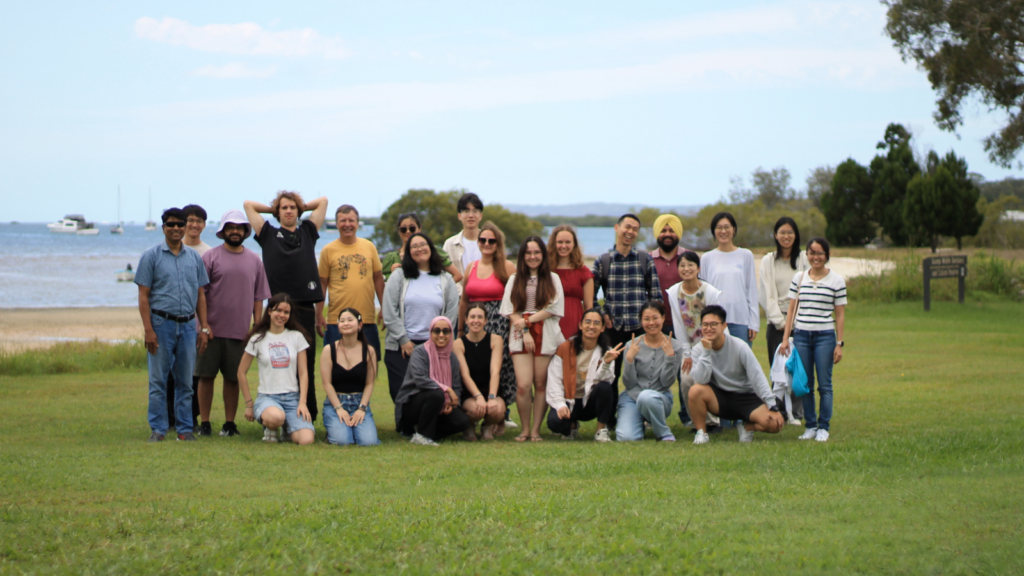
She felt welcome in Prof. Kobe’s research group from the very first day. She appreciated the strong sense of connection within the group, which created a relaxed and stimulating working environment. On Fridays, they often played tennis and occasionally spent time together at a climbing center.
She often spent her weekends in nature, exploring the surroundings of Brisbane. While wandering onto the wrong trail on the way to a volcanic peak in Glass House Mountains National Park, she met an Australian girl with whom she immediately connected. They frequently went on weekend trips together and enjoyed exploring Australian forests and searching for wildlife, especially kangaroos and koalas.
She concluded her research visit by visiting Port Douglas in the northeast and Tasmania in the south. While diving at the Great Barrier Reef, she was fascinated by the diverse and vividly colored fish and corals. On the mainland, not far from the reef, she was captivated by the oldest tropical rainforest, the Daintree Rainforest, with its majestic trees and charming lizards, Boyd’s forest dragons. There, she also became acquainted with the culture of the Indigenous Aboriginal people. In Tasmania, she decided to hike in the Walls of Jerusalem National Park, where she unexpectedly found herself in the middle of winter despite it being summer, as it began to snow. During her three-day hike through Tasmania’s unspoiled wilderness, she enjoyed the company of wombats, kangaroos, and possums, while the Tasmanian devil successfully evaded her. She was also surprised by the lifestyle on the island, which greatly differs from the modern pace of major cities such as Brisbane and Sydney that she had visited on the mainland. In rural Tasmania, many people live in modest wooden huts or containers.
During her research visit, she not only gained extensive scientific knowledge, but also formed new friendships and gained valuable life experiences. Australia will remain in her memory for its friendly people, engaging research work, breathtaking views, and adorable animals.

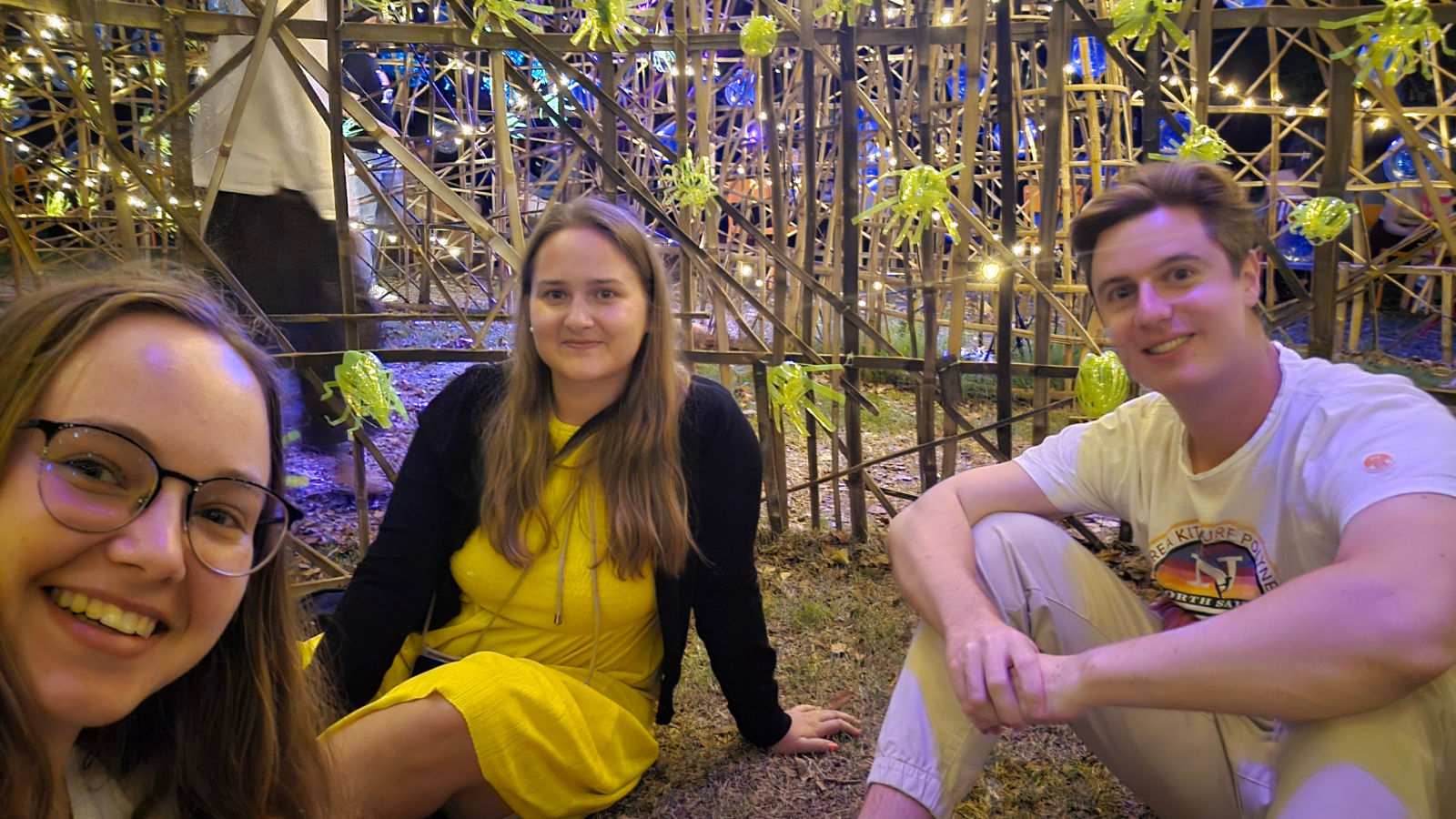
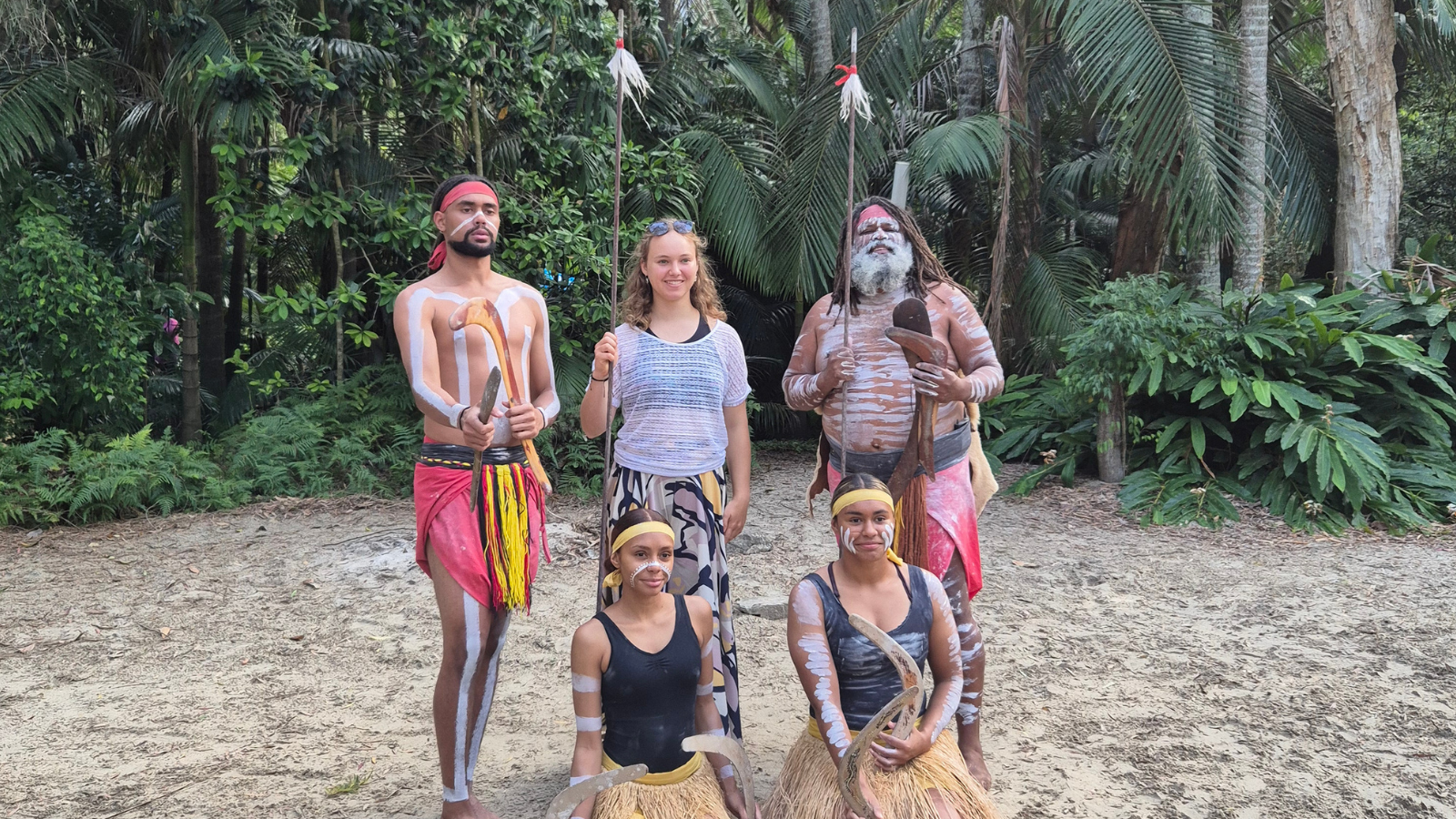
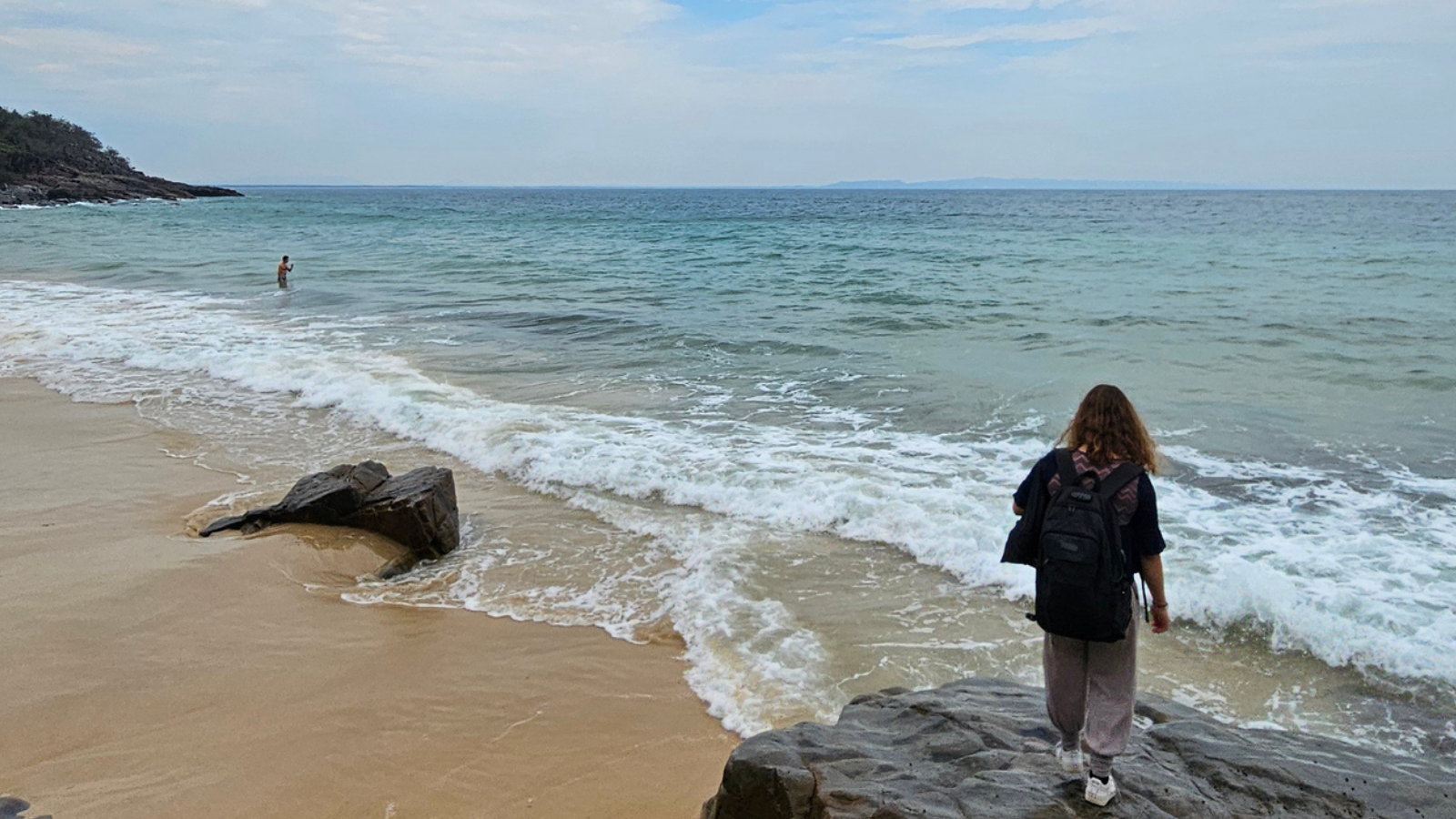
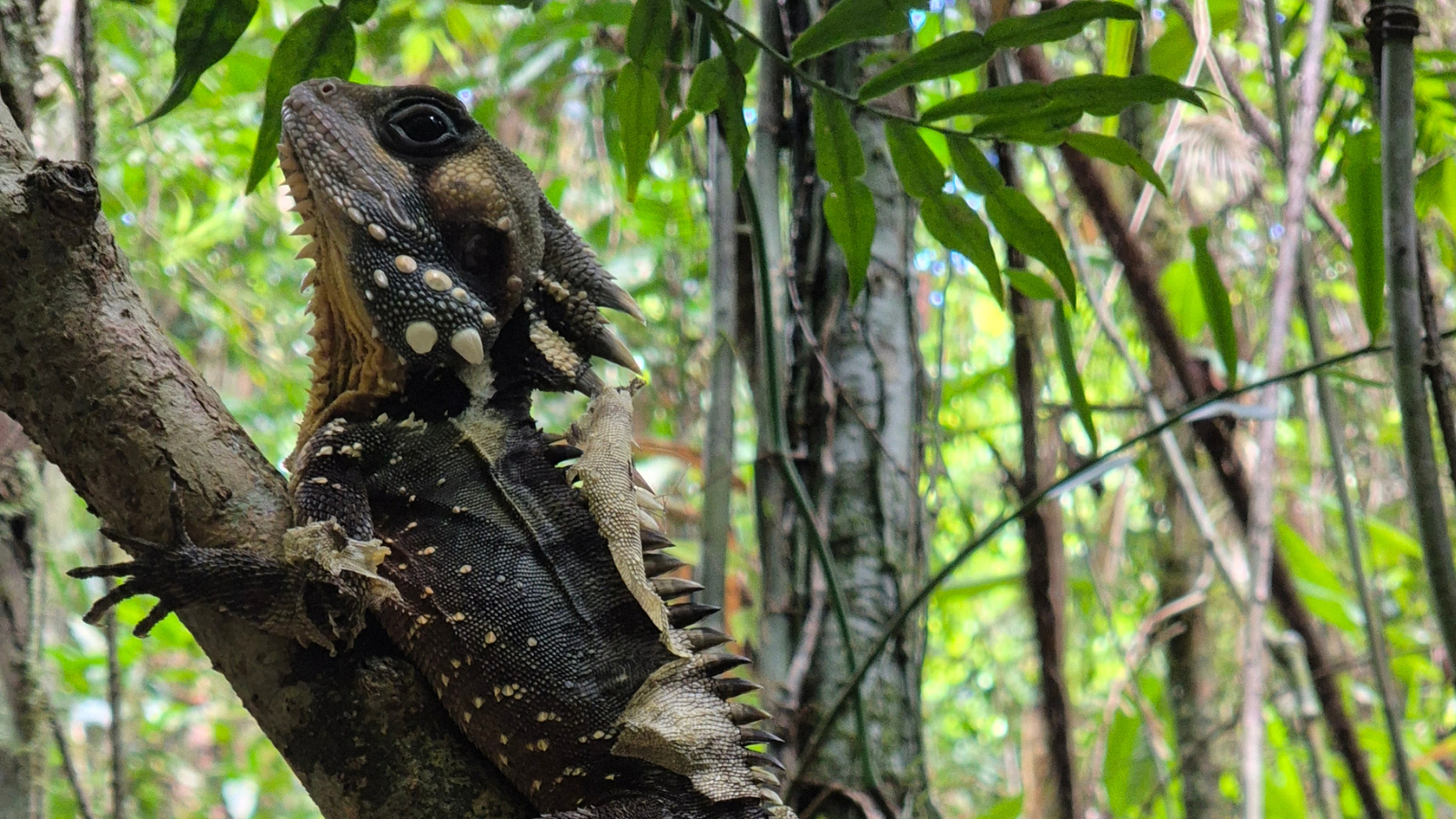
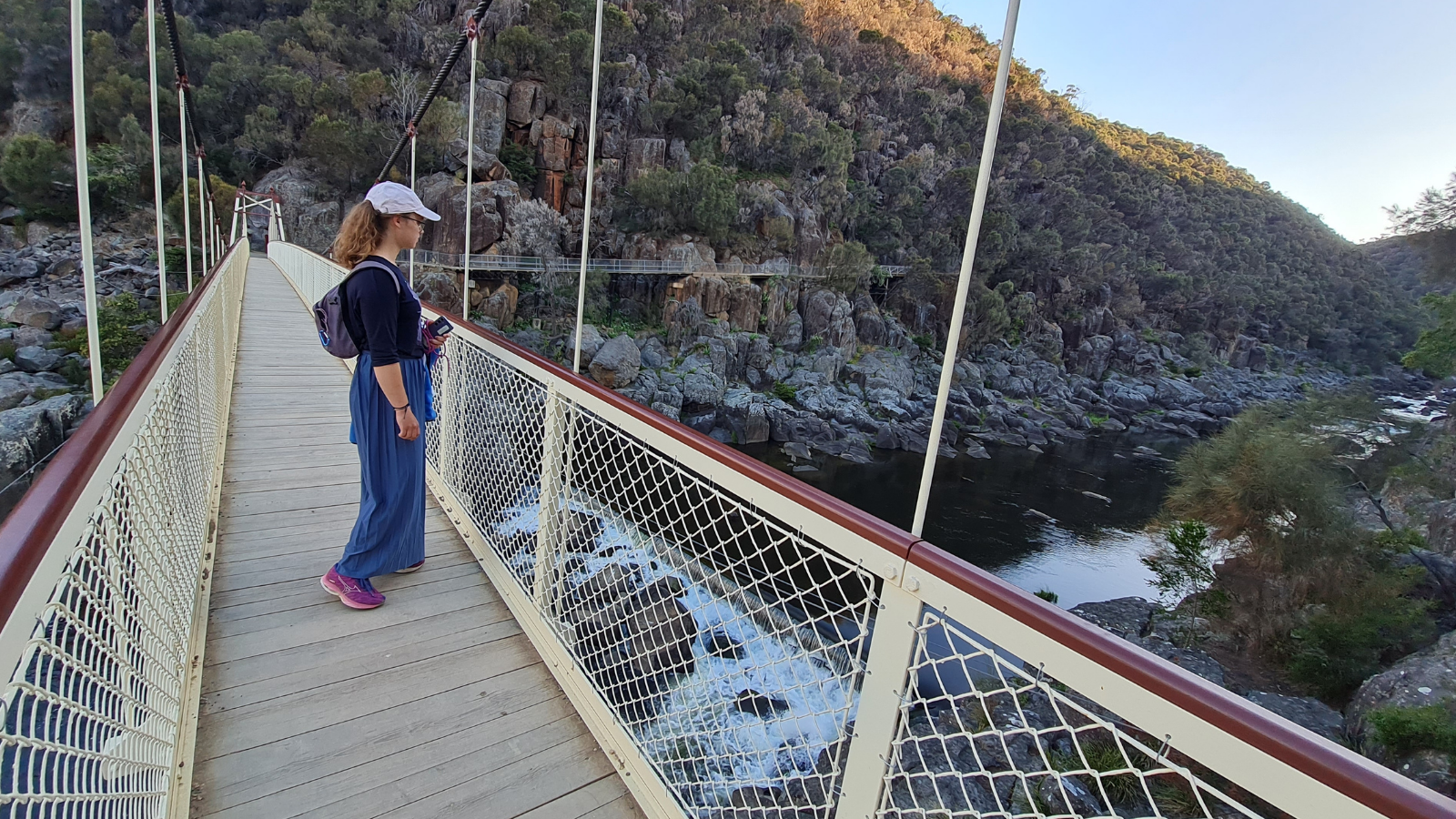
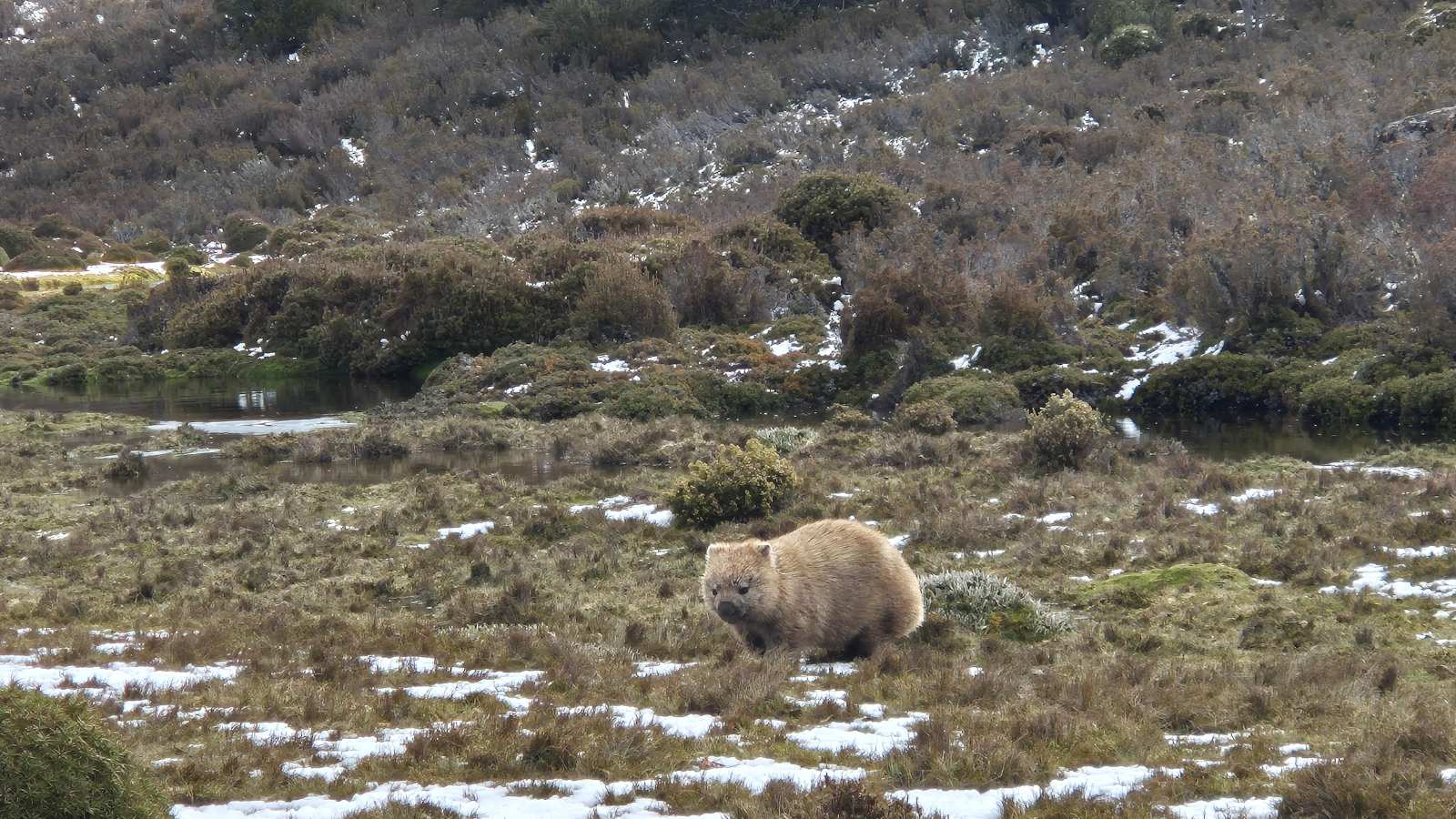
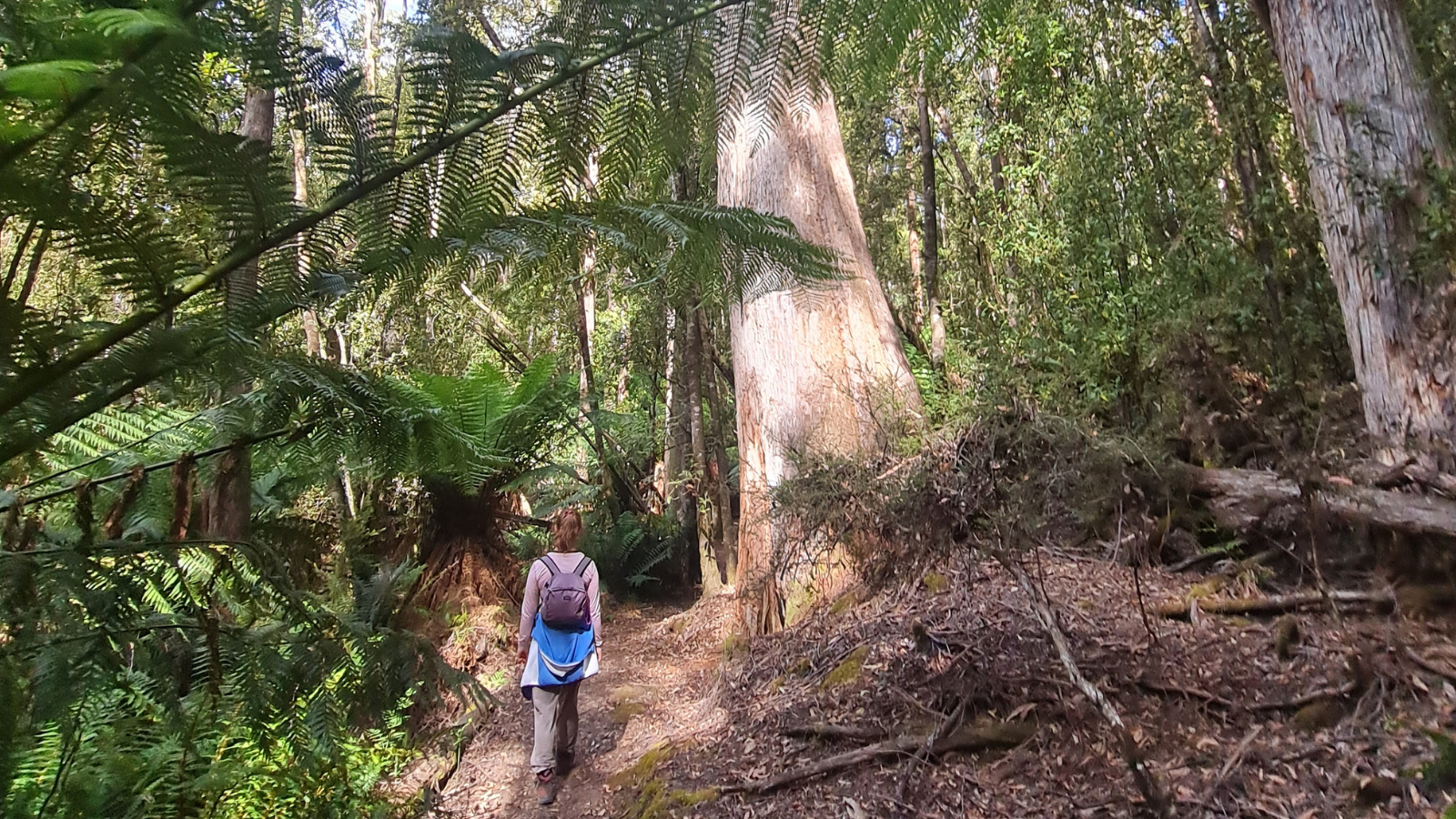
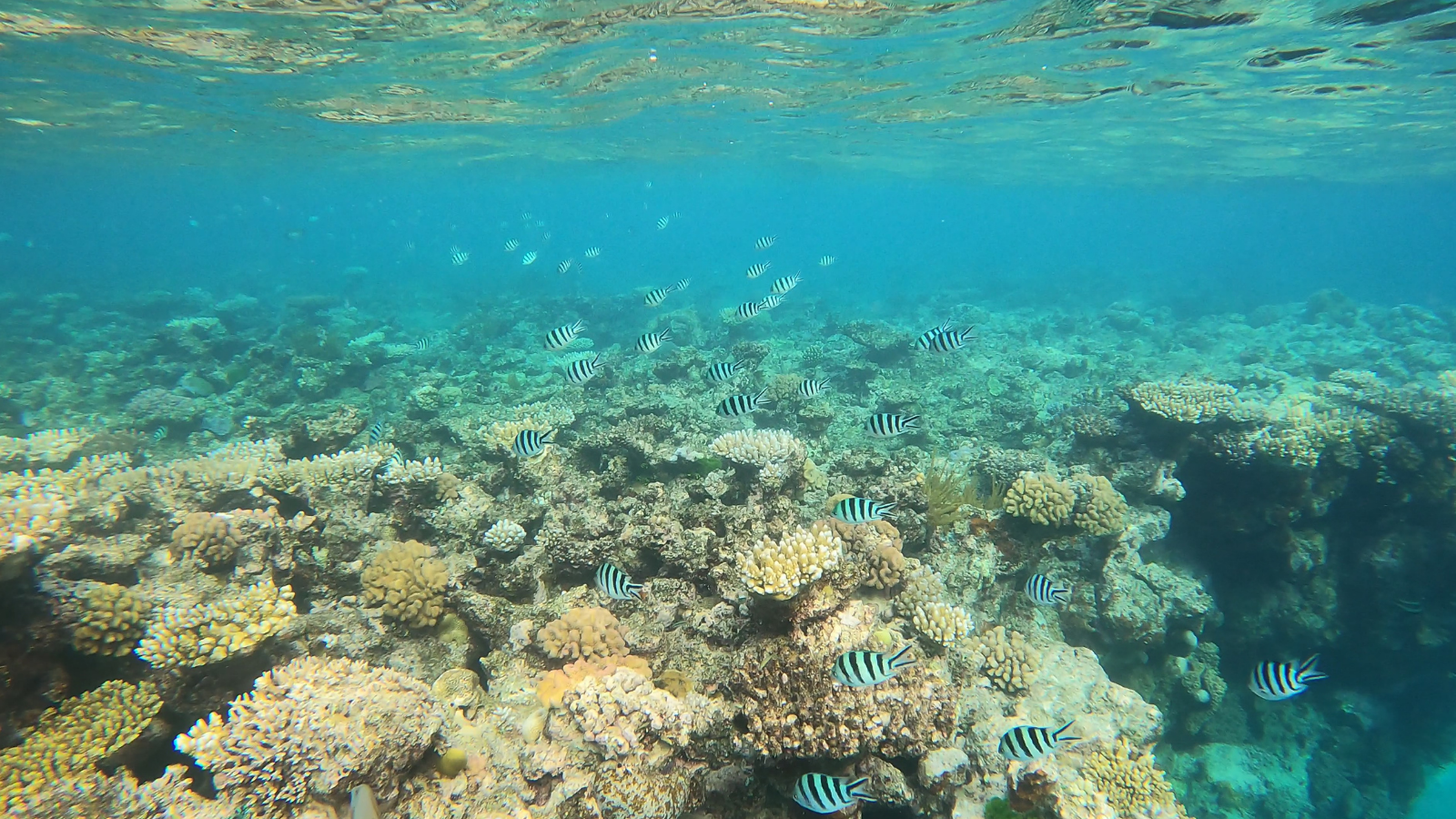
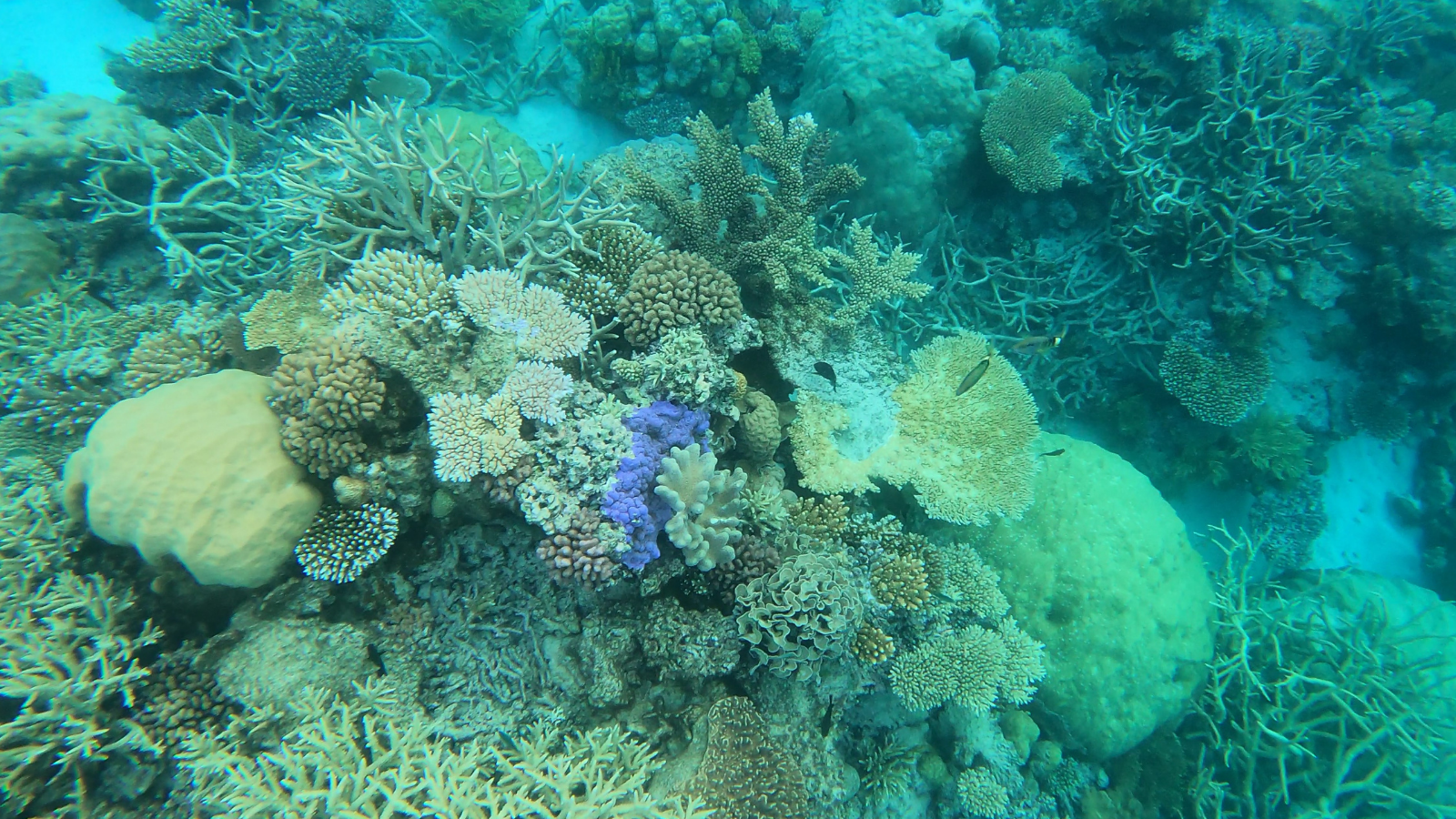
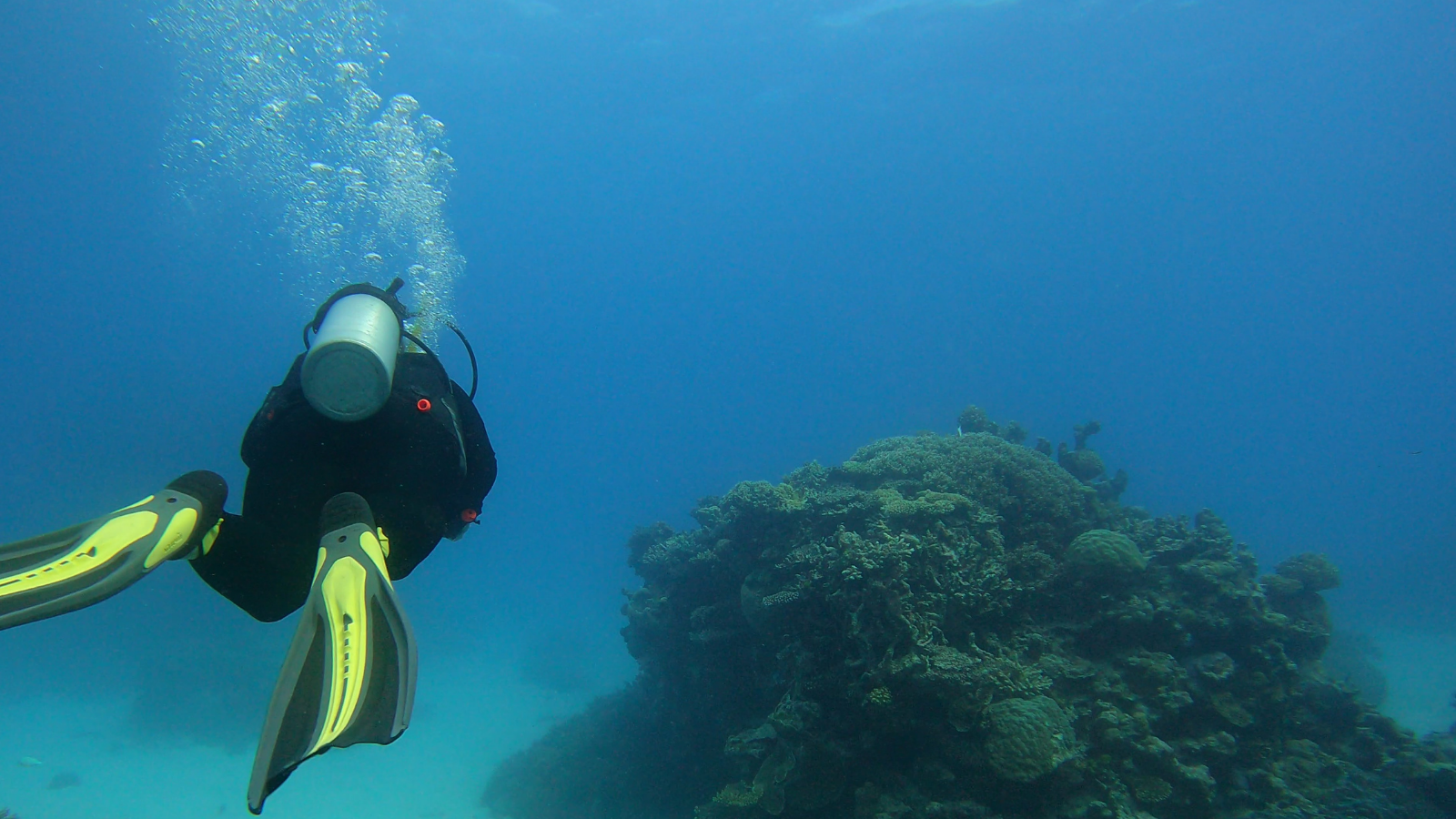
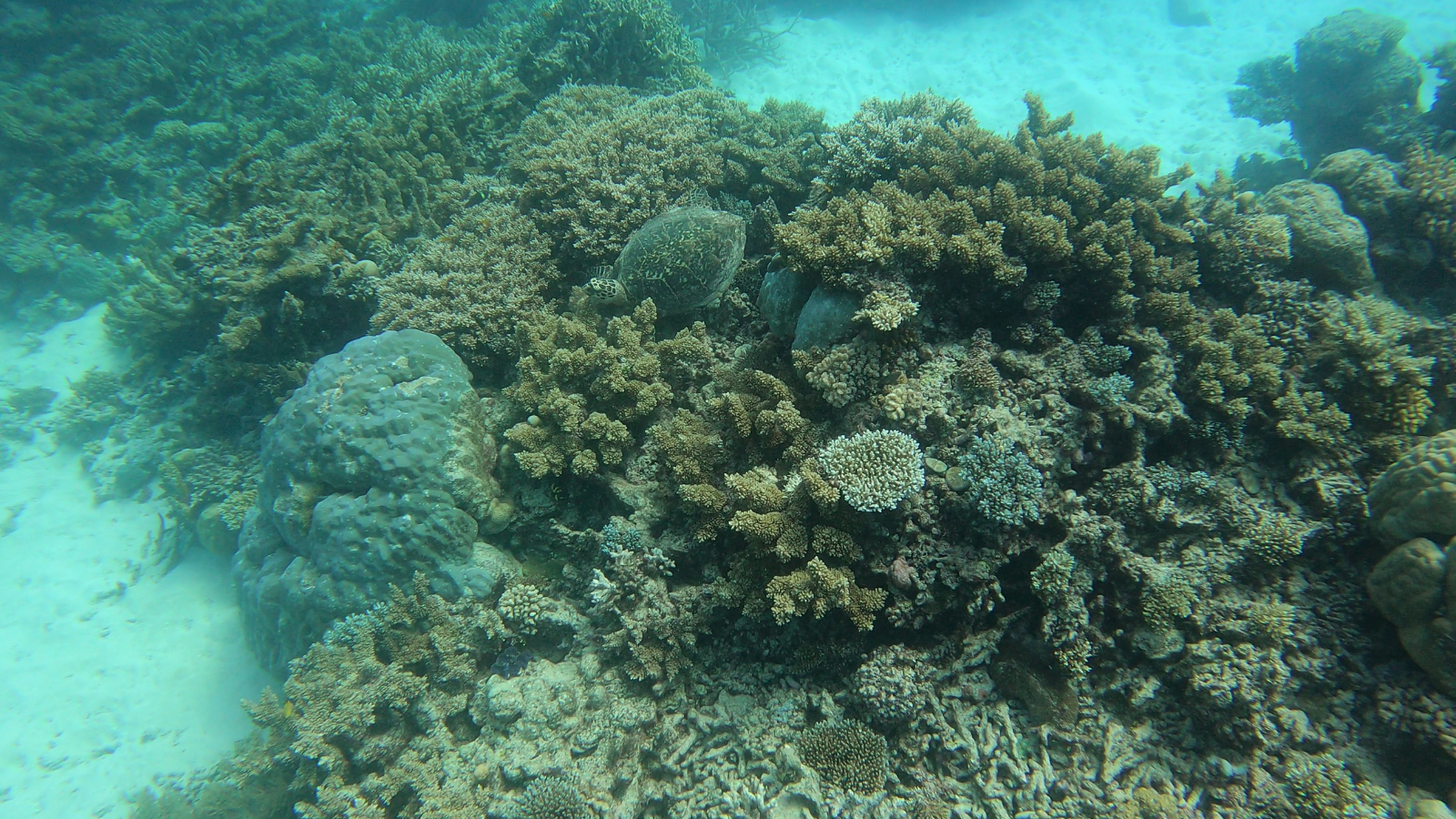
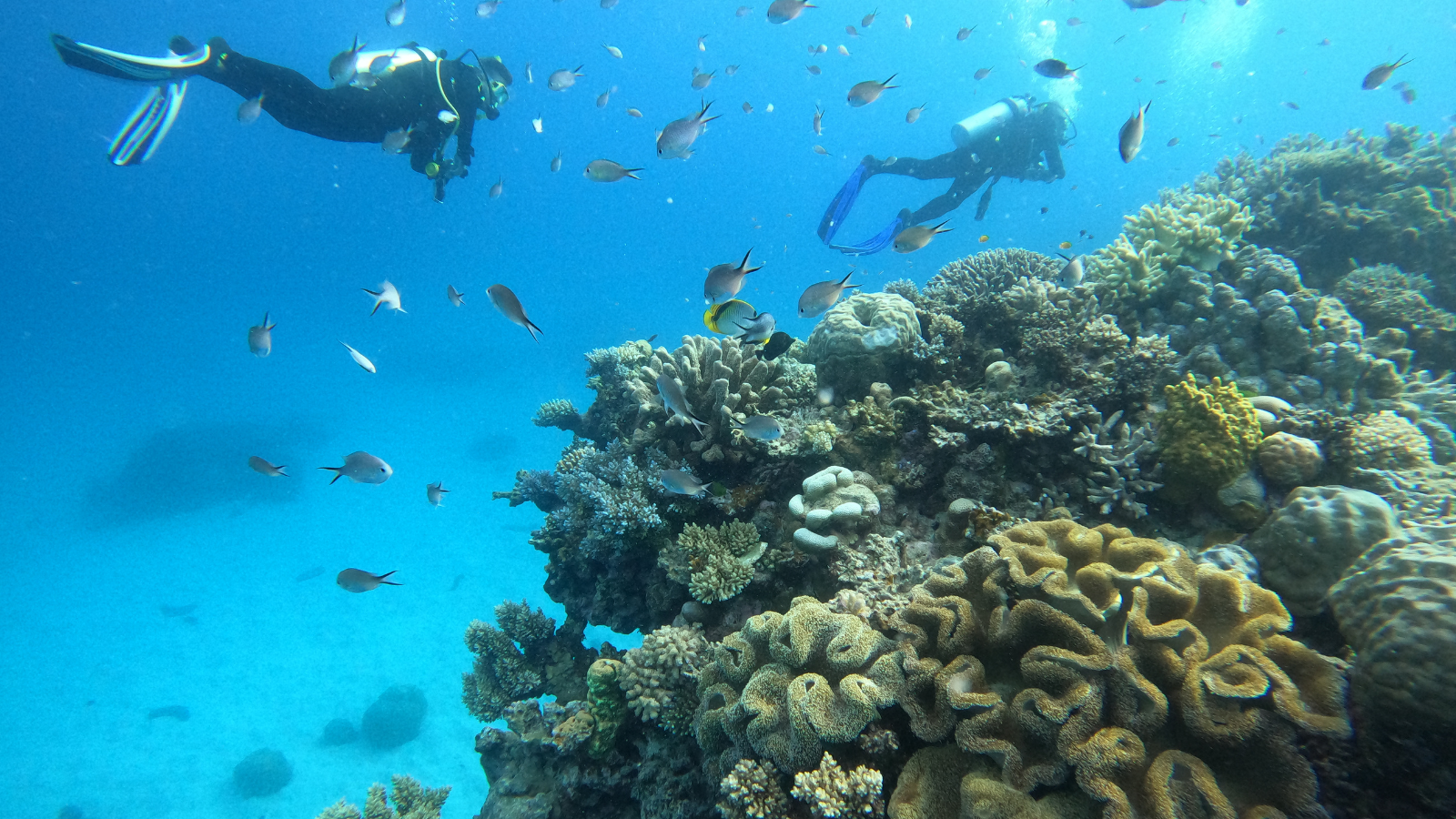
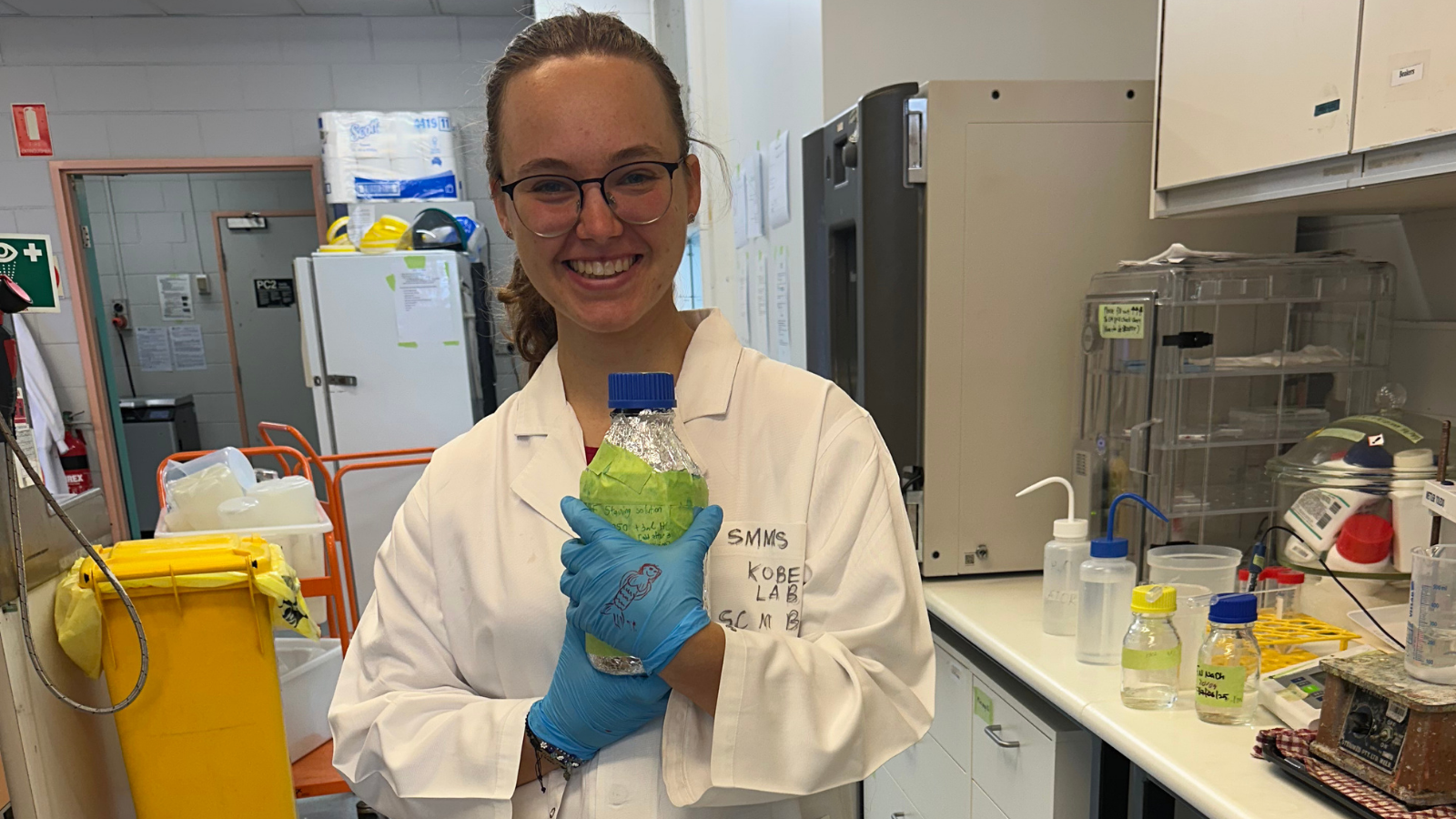
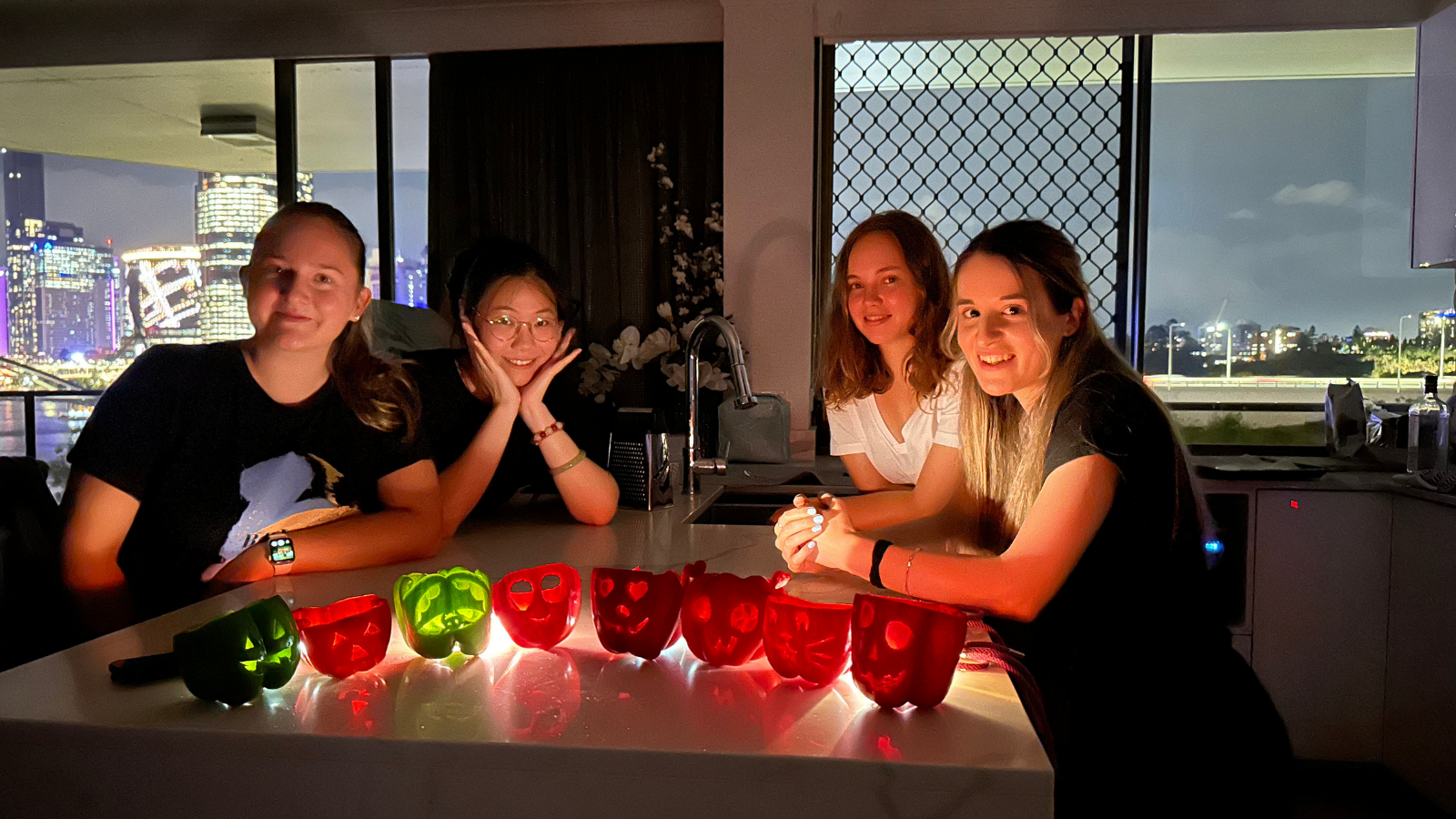
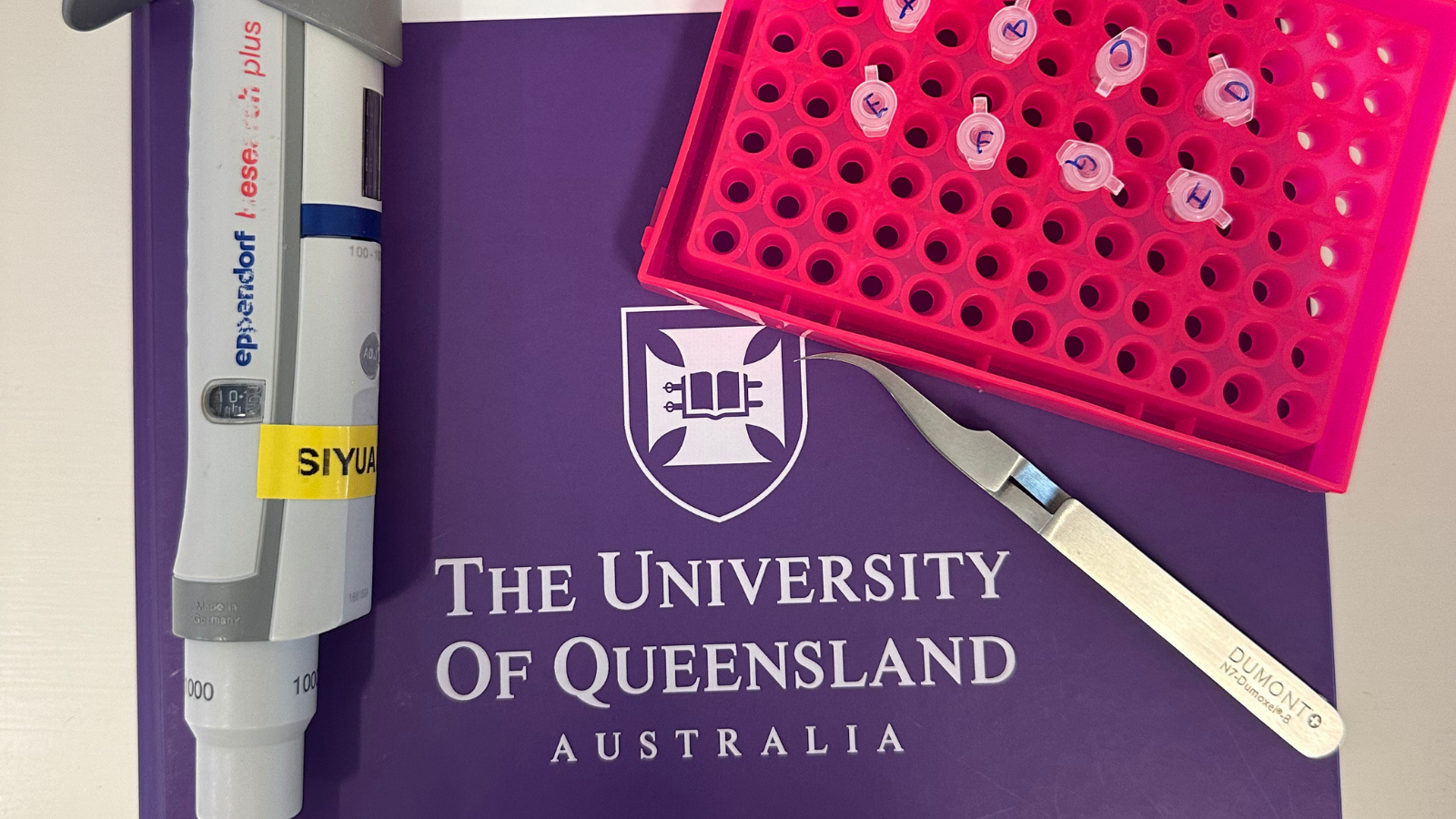
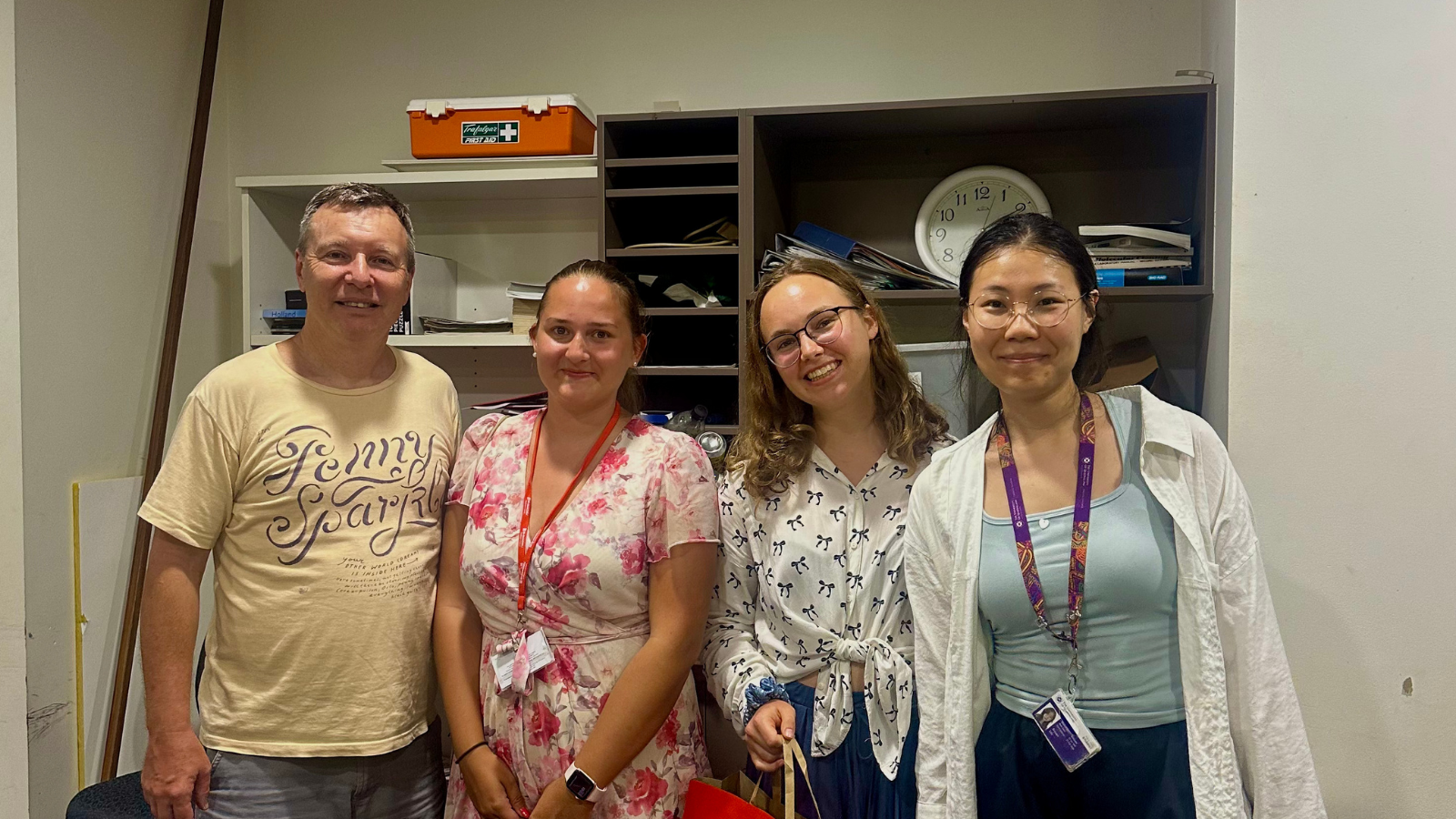
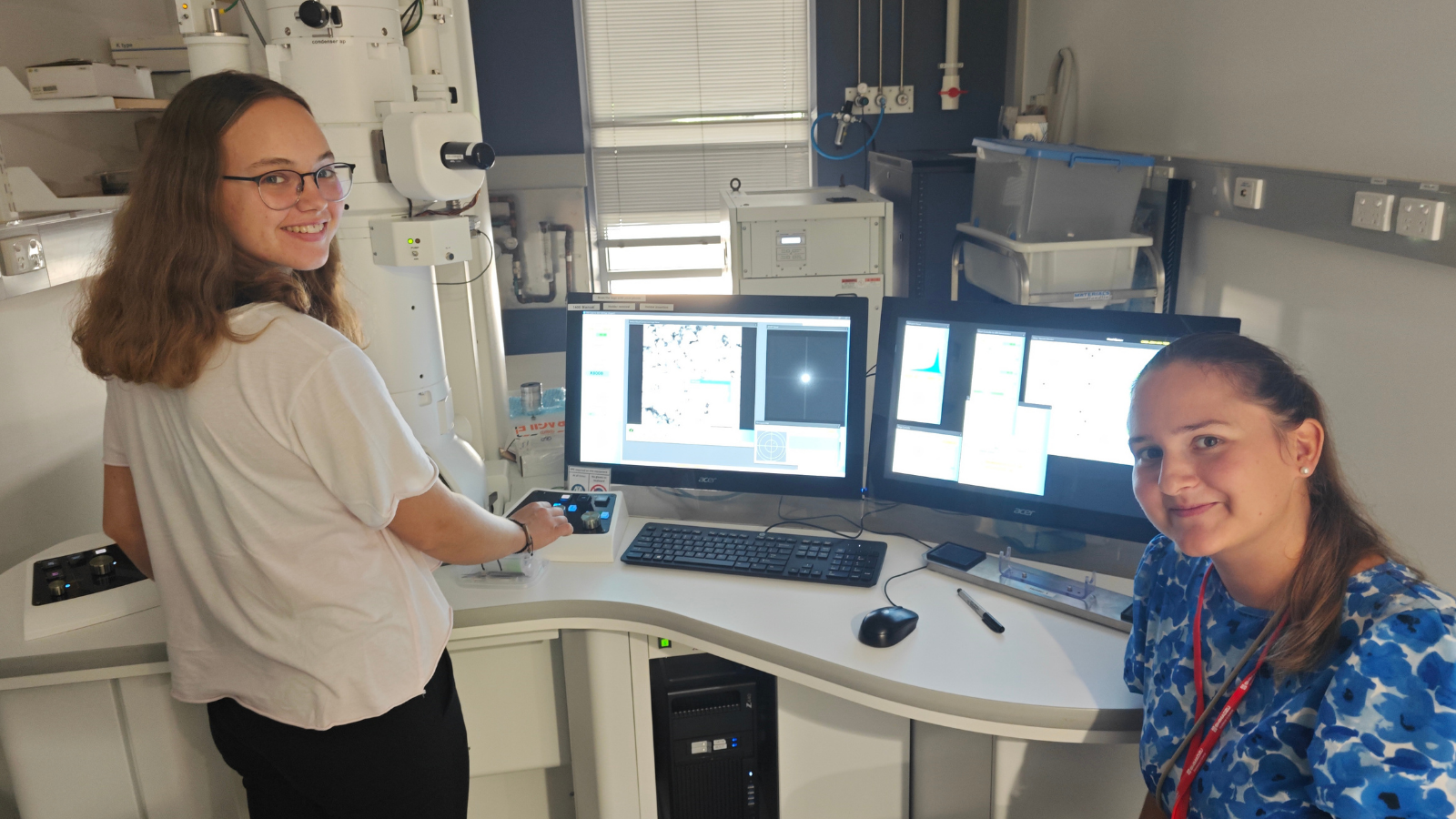
Photo: Personal archive